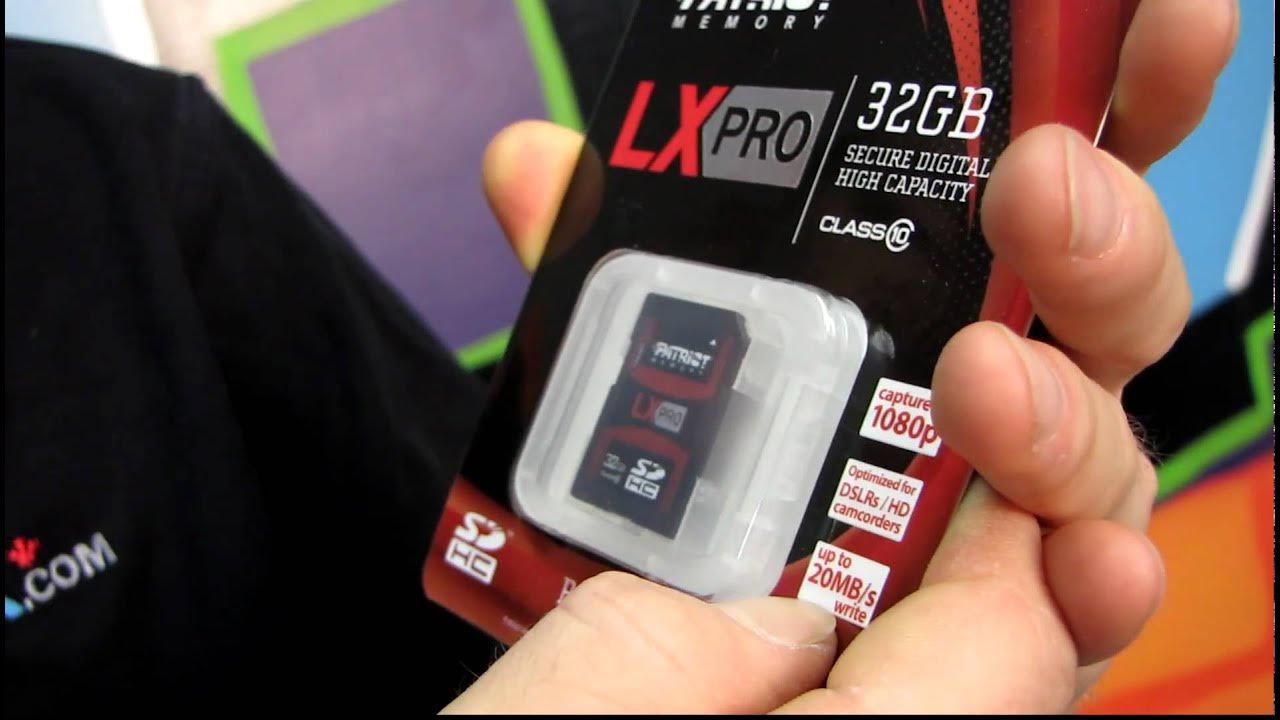
Patriot LX Pro Series SDHD Card Unboxing & First Look Linus Tech Tips
0 up · 0 down · 0 ratings
Description
ncix.com It's amazing the way capacities and speeds continue to grow on these products!
This video provides a concise unboxing and first look at the Patriot LX Pro Series SD cards. The presenter introduces the card as a high-performance, class 10 SDHC card that can write up to 20 MB per second and is suitable for 1080p capture, DSLR use, and HD camcorders. He notes that the back of the package identifies it as SDHC with SDXC becoming relevant for larger capacities, and he highlights a practical feature: the ability to write concurrently to two cards in a RAID-like setup or to swap cards mid-record to achieve continuous recording without interruptions. The unboxing also covers the physical presentation, the perceived build quality, and the intended workflow for a Canon XA10 camcorder, including the concept of using two cards for extended recording. Throughout, the video blends light commentary with practical demonstrations about inserting and ejecting the cards, and it ends with a reminder to subscribe to Linus Tech Tips for more unboxings, reviews, and computer-related content. Overall, the video serves as a quick primer for on-set storage considerations, emphasizing capacity planning, card speed, and seamless recording workflows for professional video capture. The tone remains approachable for viewers new to memory cards while providing enough detail to be useful for enthusiasts planning similar setups.
Topics · technology · gadgets · video production · unboxing
Questions answered
- What is the maximum sustained write speed of the Patriot LX Pro SD card, and what video formats is it optimized for?
- The card is a class 10 device with a claimed write speed up to 20 MB per second, optimized for 1080p recording, DSLR use, and HD camcorders.
- Can the Patriot LX Pro cards be used in a RAID-like setup, and what is the benefit?
- Yes, they can be written to concurrently in a RAID 1 style configuration, or alternately one card can be filled and then swapped for continuous recording, minimizing downtime.