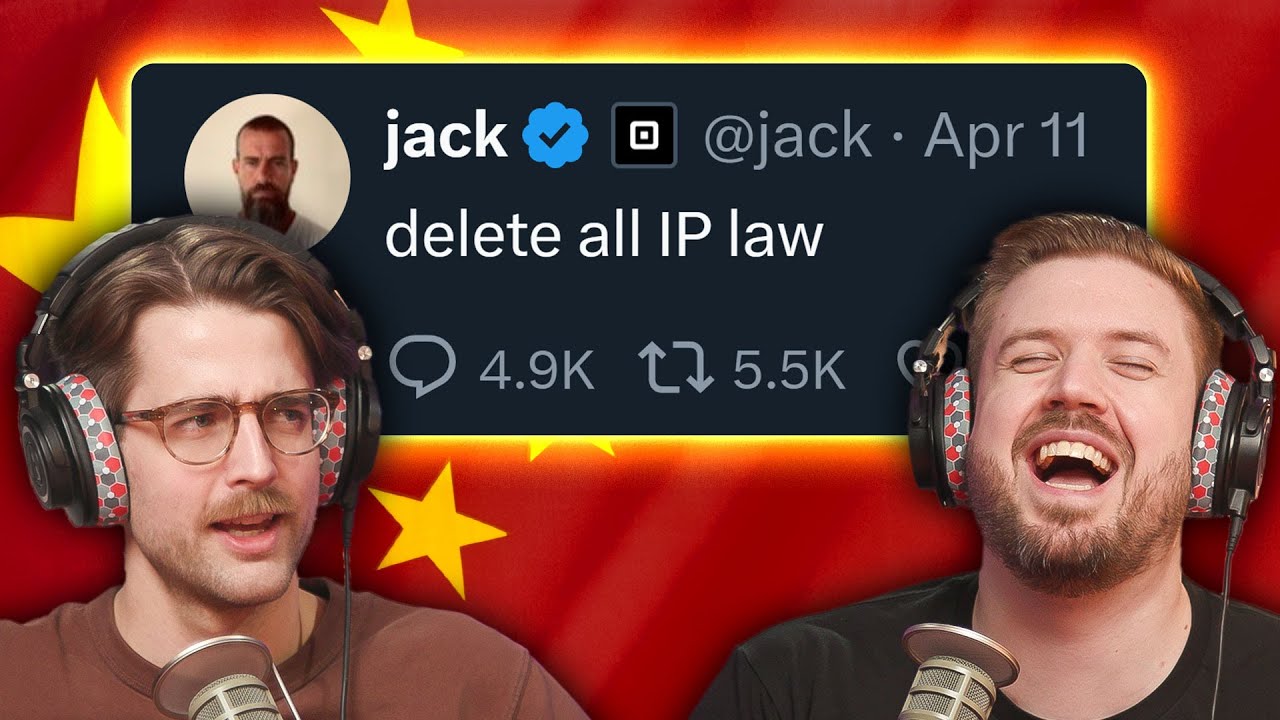
So, you wanna beat China...
0 up · 0 down · 0 ratings
Promos
Take the first step toward adventure with Vessi. Visit vessi.com to keep your travels comfortable and dry. Explore confidently and enjoy 15% off your first pair at checkout! Riley finally dragged Luke onto the podcast so he can rant about AI, free of Linus. Happy Easter? NEWS SOURCES: x.com x.com ► GET MERCH: lttstore.com ► GET EXCLUSIVE CONTENT ON FLOATPLANE: lmg.gg ► GET A VPN: piavpn.com ► LISTEN TO THE TECH NEWS: lmg.gg ► SPONSORS, AFFILIATES, AND PARTNERS: lmg.gg ► OUR PODCAST GEAR: lmg.gg ---------------------------------------------------
So, this TechLinked episode frames a high-stakes debate about artificial intelligence, intellectual property, and how global power dynamics influence policy. The hosts discuss open versus closed AI models, copyright and IP reform, and the balance between safety and innovation speed. They set up a geopolitical lens on the AI race, noting that the West versus China framing has become more pronounced as nations steer development through policy and national strategy. The conversation highlights real-world legal precedents, such as questions around whether AI can be an author or copublisher, and how current decisions shape who owns the fruits of machine generated content. They touch on how IP law in China differs from North American frameworks, especially in contexts that benefit the state or national strategy, and how that might affect global AI leadership. The discussion also brings up notable cases like OpenAI versus the New York Times, and how emerging AI web crawlers affect bandwidth, data access, and researcher ecosystems. They acknowledge the potential for IP reform to modernize outdated laws that were crafted in the pre-digital era, while acknowledging the risk of overcorrection that could stifle creative output. Throughout, the hosts balance concern for creators and the public with curiosity about what a future with advanced AI could look like, including possible shifts toward universal provisioning of knowledge rather than traditional monetary costs. They conclude with a pragmatic take: IP reform is likely, but wholesale deletion of IP law is improbable, and the future will likely hinge on nuanced policy adjustments and practical licensing models rather than radical upheaval.
Topics · technology · ai-policy · law-and-policy · geopolitics · intellectual-property
Questions answered
- What are the main policy tensions in AI according to the video?
- The video highlights three core policy tensions: whether AI should operate with open or closed models, how IP law should be reformed to address AI training and output, and how to balance safety with innovation speed in a competitive global landscape.
- Is there any indication that IP law will be deleted
- No, the discussion indicates that wholesale deletion of IP law is unlikely; instead, there will likely be significant reform and modernization to address new AI realities and data use cases.