May 3 Live Stream Archive
0 up · 0 down · 0 ratings
Channels and socials
0:30 Flux in ear Pro/non-pro 2:10 Game discounting 8:12 Linus Memes! 15:25 Netflix splits from universal and mgm 20:18 First major youtube channel acquired 27:28 Razer Comms 34:45 EA shuts down Popcap Vancouver branch 45:39 Intel Haswell CPU Performance 51:18 HTC M4 59:25 Current TV market 1:09:23 Forum call out! 1:19:15 Intel Ivy Bridge-e 1:21:31 LG OLED HDTV 1:27:42 Who has your back (online privacy) 1:33:50 Build log 1 rush view (sorry guys) 1:35:27 Build log 2 After Party Link : youtube.com
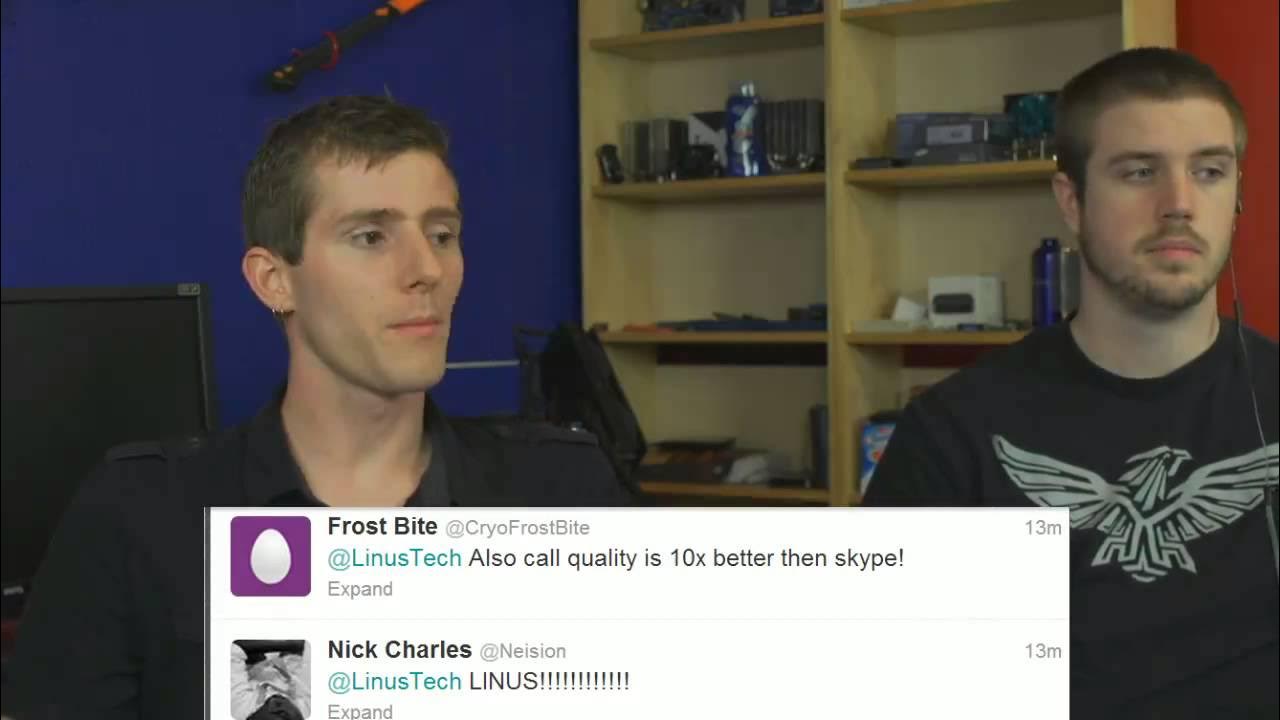
The May 3 Live Stream Archive presents a detailed, hour long plus discussion where the hosts explore a broad range of tech topics, product impressions, and industry news. The show opens with casual conversations about audio gear, comparing Flux in Ear Pro and non-pro earbuds, and sharing personal experiences with fit, isolation, and comfort. They discuss practical listening setups, including tips for improving seal with different ear tip sizes and how in-ear designs influence comfort when lying down or moving. The conversation naturally flows into listener questions and community anecdotes, setting a relaxed yet informative tone for a tech oriented audience. Throughout, the hosts interleave hardware impressions with real world usage, creating a stream-like cadence that mirrors their after party format. A recurring thread in the early segments is the Steam discount ecosystem and strategic pre-orders. They note Tomb Raider 2013 edition already at 50% off on Steam, and contrast that with summer sales that routinely deliver the deepest discounts, framing pre-order incentives as a potential value play when bundled with DLC or exclusive items. The discussion emphasizes how modern pre-orders are often about added benefits rather than mere price discounts, citing examples like Team Fortress 2 cosmetics and other bundles. They also reflect on whether pre-orders are still worth pursuing in the current marketplace where post-launch discounts can be aggressive. This segues into broader commentary on consumer behavior around game purchasing in a historically dynamic PC games market. The hosts pivot to a Twitter Q&A segment, sharing forum activity, giveaways, and community participation. They tease an upcoming Super Mario World after party stream and discuss logistics for multi-part segments, including camera positioning and lighthearted banter. Audience engagement is highlighted through anecdotes about forum giveaways, Mass Effect 2 codes, and memes that circulate around Linus and Slick. The chat reveals a strong, active community that enjoys both the live interaction and the related forum ecosystem, including discussions of builds, budgets, and hardware recommendations. The segment balances humor with practical information, as viewers weigh the pros and cons of various tech strategies and social engagement avenues. News items and rumors take center stage as the hosts cover Haswell, Nvidia, and crossfire performance discussions. They report on Haswell chips and boards, while acknowledging uncertainty about Nvidia 700 series timelines. The live discussion includes practical expectations for benchmarking and the challenges of crossfire scaling with AMD drivers, underscoring how driver optimization can dramatically affect perceived performance. The conversation also touches onFuture hardware trajectories, including the impact of new architectures on gaming and content creation workflows. This segment blends speculative insight with accessible explanations of how next-generation CPUs and GPUs influence real-world gaming experiences. A notable portion is dedicated to build experiences and hardware breakdowns, including personal rig specs and the realities of bottlenecks. They dismantle the idea of a single bottleneck, explaining how performance is a function of multiple interacting components and how even high-end systems can feel limited by particular subsystems. They discuss expectations for Haswell and the role of gaming workloads in defining system bottlenecks, offering practical guidance on overclocking and balancing components. The dialogue demonstrates a hands-on, enthusiast-oriented approach to hardware, with a clear preference for transparent benchmarking and community sharing of build configurations. The tone remains pragmatic, focusing on what users can realistically achieve with current and near-future hardware. Razer Comms, a replacement for more traditional voice chat tools, becomes a focal point for a larger discussion about gaming communications ecosystems. The hosts compare Razer Comms to Skype and Vent/Mumble style setups, noting auto-detect features, ease of use, and unobtrusive overlays during gameplay. They critique Skype for game overlays that interrupt play, while praising Comms for seamless in-game communication and easier host transfer during calls. The conversation broadens to branding and product positioning, with considerations about how a new voice chat tool competes with entrenched options and what that means for gamers selecting a platform. It culminates in practical advice for listeners on how to evaluate voice chat options for both casual and competitive play. In parallel, they cover industry shifts in game publishing and digital distribution. The show notes EA shutting down PopCap Vancouver as part of a broader restructuring, with layoff counts cited and a discussion of the implications for studios and projects like Plants vs Zombies. They reflect on the volatility of the games business, balancing empathetic commentary with critical discussion about corporate strategy and investment in original IP. The segment also touches on Netflix licensing changes with Universal and MGM, and the emergence of new archive and content delivery options, including DreamWorks’ Awesomeness TV acquisition. The hosts probe how these shifts might affect consumer access to content, licensing models, and the evolving landscape of streaming and digital media. A wider view of the online content ecosystem follows, including Netflix’s dynamic catalog, the rise of YouTube as a content creator platform, and the potential for YouTube channels to evolve into premium TV-like brands. They debate fragmentation of content across services, the possible advantages of a YouTube original content strategy, and the business realities of licensing versus original programming. The discussion emphasizes how content platforms shape user expectations for availability, price, and convenience, and considers how this trend might influence piracy, consumer choice, and the broader media market. The dialogue remains anchored in real-world observations about catalog shifts, licensing expirations, and platform experimentation. Towards the end of the main show, the hosts tease a guest segment with Steve Dotto, a technology media personality, and outline the shape of a 20-minute interview focused on business aspects of tech and personal productivity. They explain how Steve’s background in TV, radio, and online media could enrich the live stream with practical perspectives on time management and technology adoption. The build-up to this guest segment reflects the show’s emphasis on cross-media collaboration and the value of diverse viewpoints in tech coverage. The wrap-up hints at additional topics including the Nexus 4, Android ecosystem, and ongoing Haswell discussions, closing the session with a reminder of the archive availability and a nod to the forum community. In sum, the May 3 Live Stream Archive operates as a multi-topic, viewer-engaged, tech-forward discussion that blends product impressions, industry news, and community-driven content. It balances hands-on hardware talk with strategic media industry observations, while maintaining the community-centric vibe of a weekly after party style format. Viewers receive practical guidance on hardware, software, and service options, alongside candid commentary on the business side of technology. The result is a comprehensive snapshot of a tech culture community that values knowledge sharing, honest critique, and ongoing dialogue with creators and peers.
Topics · technology · science_and_tech
Questions answered
- What was the first major hardware topic discussed in the stream?
- The stream opened with a discussion comparing Flux in Ear Pro and non-pro earbuds, focusing on fit, comfort, isolation, and practical usage.
- Why is pre-order strategy discussed in relation to sales timing?
- They argued that pre-order benefits can be significant when bundled with DLC or exclusive items, which may justify early purchase despite potential post-launch discounts.
- What is the stance on Haswell and NVidia 700 series timing?
- The hosts noted Haswell and boards were on the horizon with some expectation of benchmarks, but admitted uncertainty about NVidia 700 series timelines.
- What issue did they raise about Netflix licensing?
- They discussed Netflix losing 1794 titles due to Universal and MGM licenses expiring and debated the impact on streaming availability and competition.