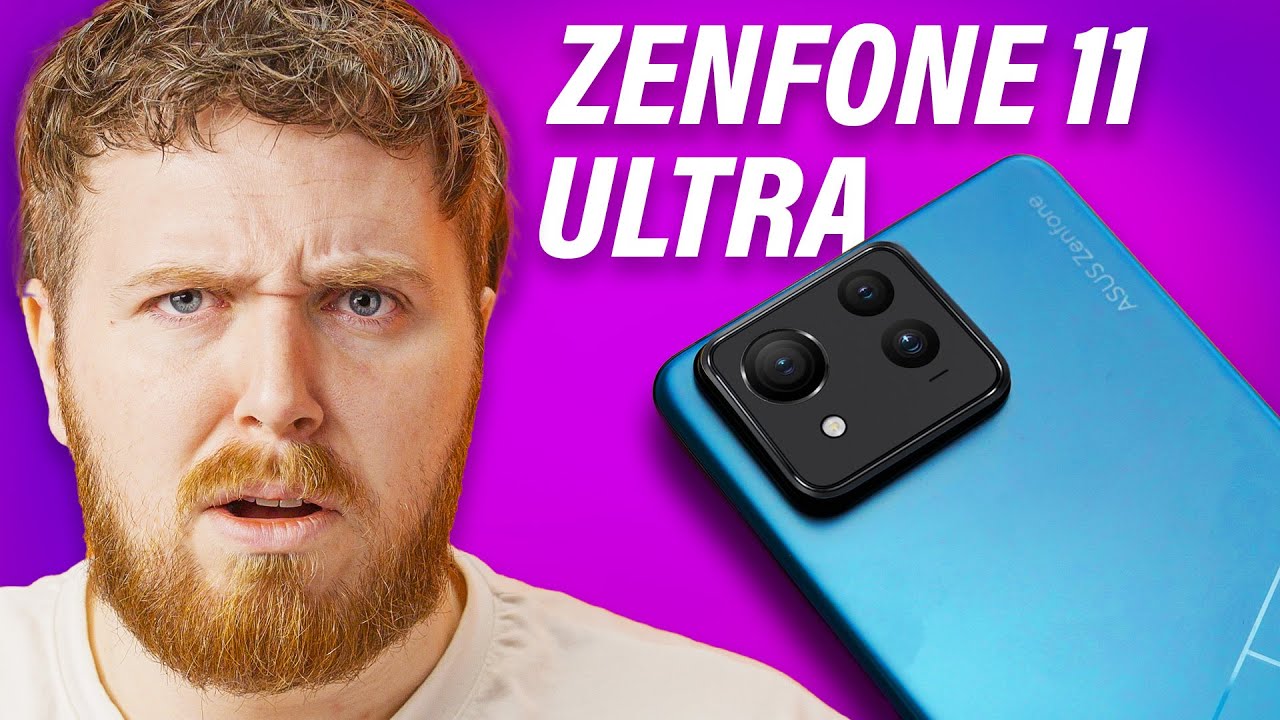
ASUS, you betrayed me! - ASUS Zenfone 11 Ultra
0 up · 0 down · 0 ratings
Promos
Check out the Gamepower Rapid 360 Gaming Monitor and more at geni.us Adam has been using the Zenfone 10 for a while now and though he loves its compact design, it does have some flaws. ASUS is back with their new Zenfone 11, but now they've made it ~Ultra~ with a large design reminiscent of their ROG Phone 8. Will Adam think this phone is worth the death of one of the few remaining small-sized phones or has ASUS lost their niche? Buy a ZenFone 11: geni.us Buy a ZenFone 10: geni.us Purchases made through some store links may provide some compensation to Linus Media Group. Want us to unbox something? Make a suggestion at lmg.gg ► GET MERCH: lttstore.com ► GET EXCLUSIVE CONTENT ON FLOATPLANE: lmg.gg ► SPONSORS, AFFILIATES, AND PARTNERS: lmg.gg ► PRODUCTS WE USE ON THE SHORTCIRCUIT SET: lmg.gg FOLLOW US ELSEWHERE --------------------------------------------------- Twitter: twitter.com Instagram: @shortcircuityt TikTok: @linustech Facebook: @ShortCircuitYT CHAPTERS --------------------------------------------------- 0:00 Adam likes small phones 0:22 Design impressions and what's in the box 1:51 Comparison to ROG Phone 8 2:56 Sponsor - Gamepower 3:29 Specs 4:38 LABS battery test results 5:46 Display test results and speaker impressions 6:37 Camera impressions 9:56 Gaming performance impressions and test results 11:28 A gripe and other misc. specs/features 12:06 Overall thoughts and pricing 14:15 Outro
The video begins with the host expressing a fascination for compact phones and contrasting the Zenfone 10’s small, flagship-grade nature with the newly announced Zenfone 11 Ultra. The unboxing and in-hand impressions highlight a distinct shift in design, moving from a textured plastic back to a smoother glass finish, while keeping an aluminum frame that now uses recycled materials. The presenter notes the IP68 rating and Victus 2 Gorilla Glass on the front, and recalls the Zen Touch button from the Zenfone 10, lamenting its removal in favor of an under-display fingerprint reader and a standard power button. A major visual cue is the prominent camera bump, which is much more conspicuous than before and reportedly contributes to durability concerns, including a cracked lens during initial testing. The box contents include a case and a USB-C to USB-C cable, but notably no wall charger, which the host views as a minor disappointment given the phone’s premium positioning. He then compares the Zenfone 11 Ultra’s silhouette and layout to the ROG Phone 8, arguing that ASUS has essentially cloned the shell of the ROG phone while attempting to refine the experience for a broader audience, including casual users and parents who may prefer a less gamer-centric aesthetic. The segment transitions into the hardware and performance discussion, with the host delivering a quick sponsor break before moving to the phone’s specifications, display, and battery performance. The Zenfone 11 Ultra uses a Snapdragon 8 Gen 3, up to 16 GB of RAM, and up to 512 GB of storage, with a 6.7-inch 144 Hz LTPO AMOLED display that adapts to 1 Hz in certain conditions to save power, and a 5500 mAh battery that has shown remarkable longevity in their battery test. Display brightness, speaker quality, and overall media capabilities are praised, painting the phone as a strong multimedia device, but camera performance is acknowledged as a major weakness compared to top-tier competitors like Pixel and iPhone. The camera system includes a 50 MP main sensor, a 32 MP telephoto, and a 13 MP ultra-wide, but color reproduction and processing are described as not particularly outstanding, with a note that the ultra-wide struggles in challenging lighting. The host also highlights the phone’s AI features, zoom capabilities, and video stabilization options, including a six-axis AI gimbal and 8K/4K recording options, while warning about potential heat buildup under sustained gaming loads. In gaming tests, the Snapdragon 8 Gen 3 proves capable but thermals can throttle performance in high-stress scenarios, pushing the host to recommend Dynamic mode over dedicated Performance mode. Concluding thoughts touch on the software experience, user interface customization choices like the Splendid display presets, and the overall value proposition. The reviewer stresses that while the Zenfone 11 Ultra is competent and well-built, it loses its core differentiator of being a small phone, making it less compelling against compact competition and flagship rivals, and notes the price point around $900 as a barrier to entry given the market’s strong alternatives. The video ends with cautious optimism for a future Zenfone 11 non-ultra that might retain small size and better differentiation, while personally remaining fond of the device overall and encouraging viewers to consider it as part of ASUS’s evolving lineup.
Topics · technology · mobile devices · smartphones · review · gaming · battery · display · camera
Questions answered
- What are the core design changes from Zenfone 10 to Zenfone 11 Ultra?
- The Zenfone 11 Ultra shifts from a textured plastic back to a smooth glass back with an aluminum frame using recycled material, increases the overall size, introduces a larger and more prominent camera bump, and moves from a Zen Touch multi-function button to an under-display fingerprint reader and standard lock button.
- How does the Zenfone 11 Ultra perform in gaming and battery life tests?
- It uses a Snapdragon 8 Gen 3 with up to 16 GB of RAM and achieves strong gaming performance, especially with dynamic mode, though it may thermally throttle under sustained loads. The battery life test shows excellent endurance, with the 5500 mAh battery lasting long on screen-on time, and 30 W charging provides a reasonable fast-charge rate.