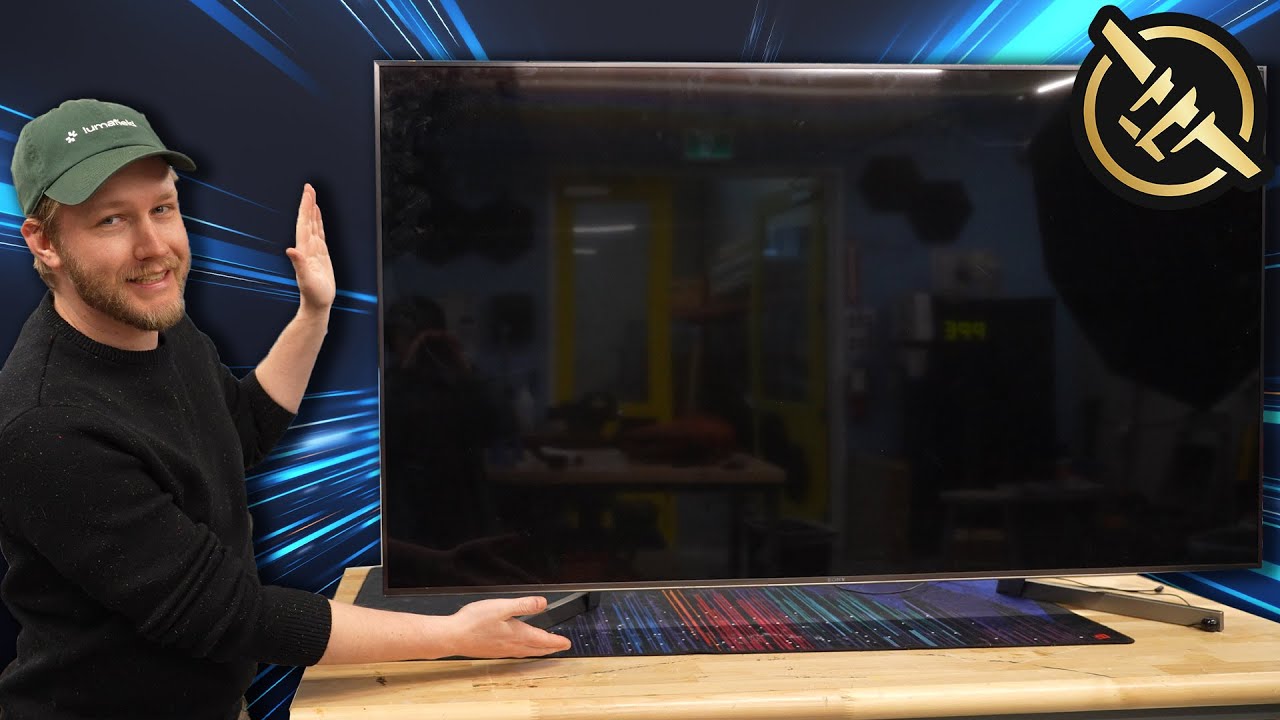
FP Exclusive: Alex "fixes" his broken TV!
0 up · 0 down · 0 ratings
Description
Thank you for your support!
Promos
Check out Floatplane for more benefits at lmg.gg ► GET MERCH: lttstore.com ► LTX: lmg.gg ► SPONSORS, AFFILIATES, AND PARTNERS: lmg.gg ► OUR WAN PODCAST GEAR: lmg.gg FOLLOW US --------------------------------------------------- Twitter: twitter.com Facebook: @LinusTech Instagram: @linustech TikTok: @linustech Twitch: twitch.tv
FP Exclusive: Alex “fixes” his broken TV shifts through a hands-on repair session that blends hardware troubleshooting with practical tech insight. The video opens with a quick setup, outlining the problem and the goals of the repair, including restoring display function and confirming audio output. Viewers are walked through initial checks, such as verifying power delivery, inspecting external inputs, and listening for unusual sounds that hint at failing components. The tone is methodical and lighthearted, with occasional banter about prior repair attempts and the expectations for a successful outcome. By the end of this opening segment, the team outlines a plan of action that balances quick wins with more thorough diagnostics, ensuring that progress is measurable as each step is completed. As the repair progresses, the focus shifts to modular diagnosis, where specific subsystems of the television are isolated to determine the root cause. The video documents moment-to-moment decisions, including whether the issue lies in the power board, the backlight system, or the display panel itself. Demonstrations show component-level testing, such as measuring voltage rails and checking for faulty capacitors, with commentary that translates complex electronics concepts into approachable explanations. The team discusses safety considerations and the importance of proper discharge procedures when handling powered electronics. Throughout, viewers see the tangible impact of each diagnostic finding on the repair timeline, reinforcing the value of a structured approach. In the middle portion, the repair strategy pivots toward remediation, including parts procurement and the risk assessment of swapping out suspected faulty modules. The narrative emphasizes compatibility concerns, such as ensuring replacement components match the TV model and verifying firmware implications. The segment includes practical tips, like how to source legitimate parts and how to avoid common repair pitfalls that can cause further damage. The team tests interim results with controlled power cycles and input signals, confirming whether the repair is progressing as expected. The discussion also offers a behind-the-scenes look at how a tech-focused team prioritizes safety, reliability, and long-term functionality over a quick fix. Later, the team documents final verification steps to validate a successful repair, including full-system boot, input switching, and a battery of functional tests that simulate real-world usage. The video demonstrates end-to-end checks for picture quality, color accuracy, brightness consistency, and audio performance across different input sources. There is a reflective moment about the limits of repairs versus replacement, including when a device is beyond economical repair and what alternatives exist for viewers facing similar issues. The closing remarks summarize the lessons learned, recap the key repair milestones, and set expectations for future builds or follow-up content, leaving viewers with concrete takeaways and a sense of accomplishment. Overall, the video blends practical electronics troubleshooting with a casual, educational vibe that is characteristic of Linus Tech Tips content. Audiences can expect a clear progression from problem identification to a tested, functioning result, along with insights into component compatibility and repair ethics. The pacing balances technical depth with accessible explanations, making the repair accessible to hobbyists while still informative for more experienced viewers. The episode culminates in a satisfying recap that reinforces the value of patient, methodical repair work over impulse replacement, encouraging viewers to approach similar challenges with fresh confidence.
Topics · technology · hardware · science · gaming
Questions answered
- What was the initial issue with the TV and how did the team begin diagnosing it?
- The video begins with a description of the problem and the intention to restore display and audio functionality, followed by initial checks of power delivery, inputs, and audible clues to identify the fault.
- What kinds of components are considered during the diagnostic phase?
- The diagnostic phase focuses on subsystems such as the power board, backlight system, and display panel, with checks on voltage rails and common failure points.
- How do the team ensure safety during repair work?
- They emphasize proper discharge procedures and safe handling practices when working with powered electronics, along with careful testing during power cycles.
- What criteria determine whether a repair is successful?
- Success is measured by full system boot, correct input switching, and passing functional tests for picture quality and audio across sources.
- What learning takeaways does the video offer for viewers considering repairs?
- Key takeaways include the value of a methodical diagnostic approach, component compatibility considerations, and the balance between repair versus replacement when evaluating costs and feasibility.