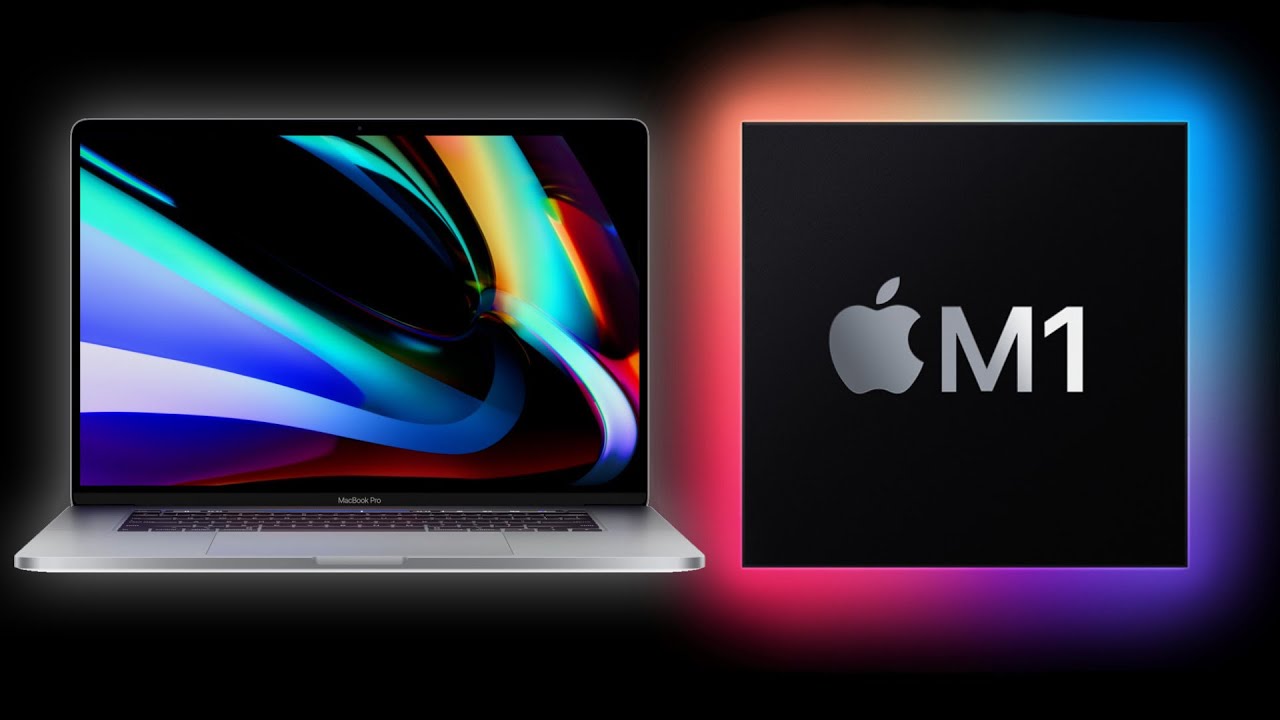
Are Apple's M1 Macs THAT Good?
0 up · 0 down · 0 ratings
Promos
Learn through problem solving, and the first 200 people can save 20% today on Brilliant at brilliant.org What should you know about the new systems based around the non-x86 Apple M1? Leave a reply with your requests for future episodes, or tweet them here: twitter.com ►GET MERCH: lttstore.com ►SUPPORT US ON FLOATPLANE: floatplane.com ►LTX EXPO: ltxexpo.com AFFILIATES & REFERRALS --------------------------------------------------- ►Affiliates, Sponsors & Referrals: lmg.gg ►Private Internet Access VPN: lmg.gg ►MK Keyboards: lmg.gg ►Nerd or Die Stream Overlays: lmg.gg ►NEEDforSEAT Gaming Chairs: lmg.gg ►Displate Metal Prints: lmg.gg ►Epic Games Store (LINUSMEDIAGROUP): lmg.gg ►Official Game Store: nexus.gg ►Amazon Prime: lmg.gg ►Audible Free Trial: lmg.gg ►Our Gear on Amazon: geni.us FOLLOW US ELSEWHERE --------------------------------------------------- Twitter: twitter.com Facebook: @LinusTech Instagram: @linustech Twitch: twitch.tv FOLLOW OUR OTHER CHANNELS --------------------------------------------------- Linus Tech Tips: lmg.gg TechLinked: lmg.gg ShortCircuit: lmg.gg LMG Clips: lmg.gg Channel Super Fun: lmg.gg Carpool Critics: lmg.gg
The video introduces Apple’s M1 as a new in house system on a chip and explains why it is considered a performance milestone for laptops. It notes that the M1 combines high transistor counts with a design philosophy that emphasizes parallelism, wider decoders, and aggressive out of order execution to process more instructions at once. The speaker highlights that the M1 has a much larger Level 1 cache than traditional x86 CPUs and benefits from a mobile based architecture that draws less power while delivering strong performance in first party applications. The discussion then moves to the contrast with x86 designs from Intel and AMD, explaining why simply increasing cache or decoders on x86 is challenging due to fixed instruction lengths and architectural constraints. The video also covers the compatibility story, noting that x86 applications must be emulated via Rosetta 2, which can introduce CPU overhead and occasional stability issues. It argues that Apple expects developers to optimize for Apple Silicon over time, leveraging its brand and developer tools to push toward universal apps and tighter integration with the App Store ecosystem. The conclusion suggests that while the M1 looks very strong in native software and early reviews are favorable, real world performance across all workloads will improve as software is rewritten for the new architecture and more desktop Macs adopt Apple Silicon. The host also plugs Brilliant.org as a learning platform and wraps with a call to action for feedback and future topics.
Topics · technology · hardware · silicon · computer-hardware · mobile-computing · cpu-architecture · software · consumer-electronics
Questions answered
- What makes the M1 architecture different from x86
- The M1 uses a wider decoder and deeper out of order execution, larger L1 cache, and a highly parallel design to process more instructions at once, which contrasts with the traditional x86 approach and enables higher efficiency on mobile-class silicon.
- Why do some apps run slower on the M1
- Some apps run slower because they must be emulated through Rosetta 2, introducing CPU overhead and occasional compatibility or stability issues until developers update software for Apple Silicon.