Why HDMI ISN'T Always The Answer
0 up · 0 down · 0 ratings
Promos
Freshbooks message: Head over to freshbooks.com and don’t forget to enter Tech Quickie in the “How Did You Hear About Us” section when signing up for your free trial. You'll find a huge variety of connectors on the back of your TV or A/V receiver - what are they all used for? Techquickie Merch Store: designbyhumans.com Techquickie Movie Poster: shop.crowdmade.com Follow: twitter.com Leave a reply with your requests for future episodes, or tweet them here: twitter.com Join the community: linustechtips.com Intro Theme: Showdown by F.O.O.L from Monstercat - Best of 2016 Video Link: youtube.com iTunes Download Link: itunes.apple.com Listen on Spotify: open.spotify.com
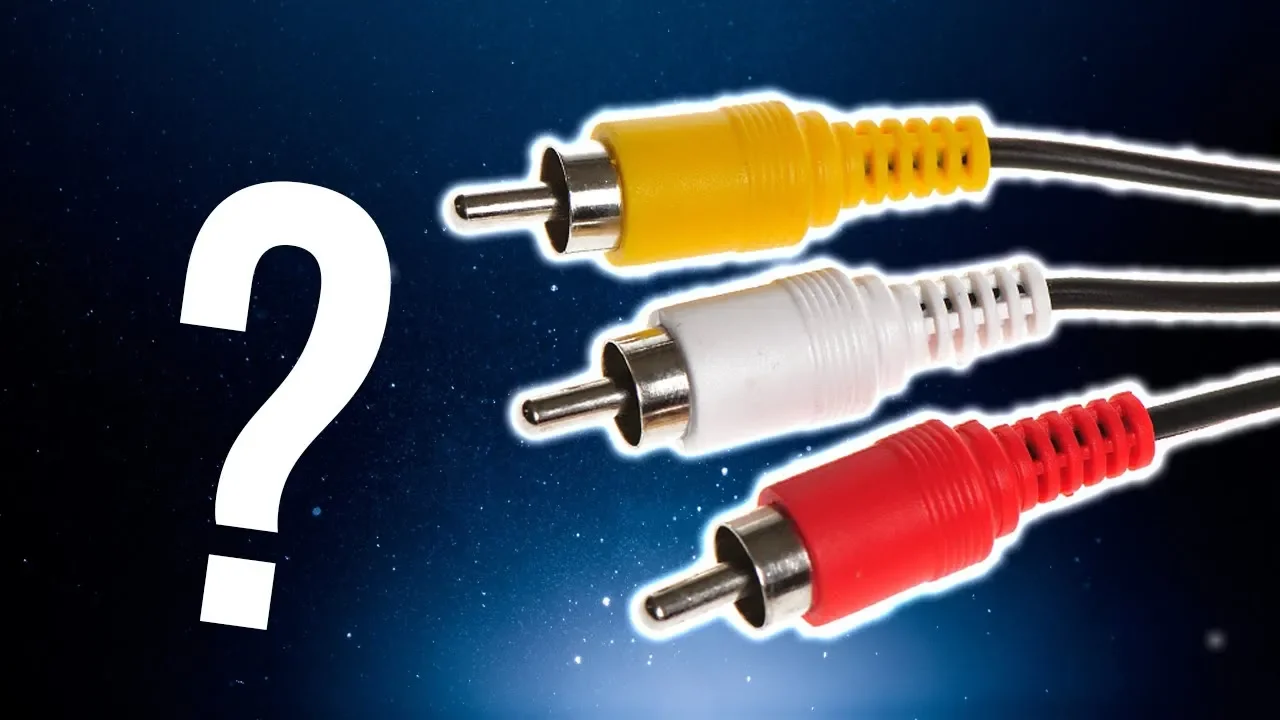
The video explains that HDMI is not always the best or only option for connecting devices, and it walks through a variety of older and current connectors still found on TVs and AV receivers. It starts by introducing RCA as the long-standing analog standard for stereo audio and composite video, describing how red and white RCA jacks carry left and right audio and how the yellow RCA jack handles standard definition video. The host then covers S-Video and the more capable component video setup, noting how separating brightness, color, and luminance signals improves image quality and even enables HD output in some scenarios. Finally, the discussion shifts to digital connections like coaxial RCA for digital audio, Toslink optical, and the role of HDMI as a single-cable solution that also carries audio, network data, and increasingly high resolutions, HDR, and adaptive features. The segment also touches on legacy interfaces such as VGA and RS-232, explaining their historical use and current limitations. Overall, the video emphasizes choosing the right connector based on device compatibility, desired quality, and the era of the equipment involved, rather than assuming HDMI is universally the best choice for every setup.
Topics · technology · home_entertainment · video_and_audio · connectors
Questions answered
- What are the main reasons to consider non HDMI connections like RCA or VGA for a TV setup?
- Non HDMI connections may be necessary when devices lack HDMI outputs, when using retro or legacy equipment, or when the goal is to minimize signal degradation in certain analog paths or to preserve specific audio/video characteristics that HDMI cannot replicate.
- How does component video differ from S video and what benefit does it offer?
- Component video separates signals into three cables for red, green, and blue (with green carrying brightness) which reduces interference and can improve image quality, potentially supporting higher resolutions than S video.
- Why might someone still use HDMI alongside other ports on modern AV gear?
- HDMI provides a convenient all in one path for high definition video and audio with potential for HDR and high refresh rates, but other ports may be needed for compatibility with older devices, specialized audio software, or to leverage legacy video signals that HDMI cannot reproduce as effectively.