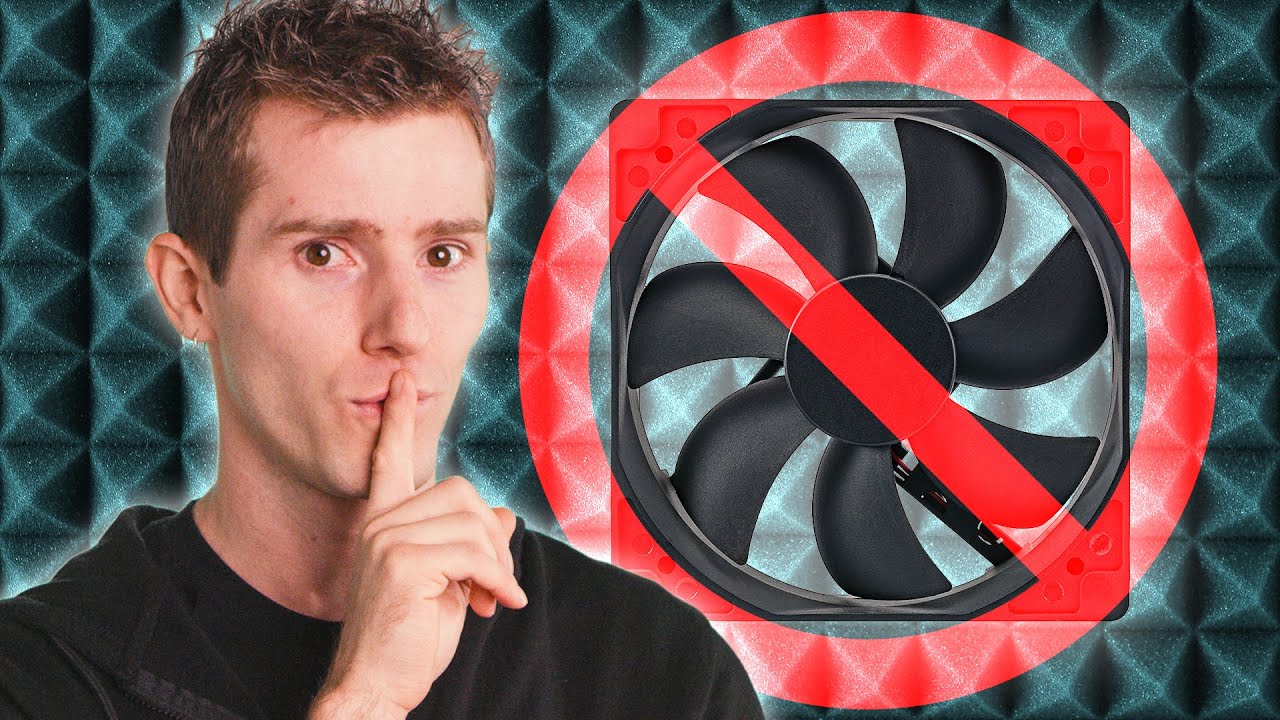
A Computer With NO FANS?!
0 up · 0 down · 0 ratings
Promos
Visit squarespace.com and use offer code TECHQUICKIE to save 10% off your first order. How can computers cool themselves without fans or other moving parts? LTT Merch Store: lttstore.com Follow: twitter.com Leave a reply with your requests for future episodes, or tweet them here: twitter.com
The video explains how certain digital devices avoid fans by using alternative cooling strategies, focusing on the distinction between general purpose CPUs and mobile-style processors. It starts by contrasting the common noise of computer fans with the quiet operation desired by users, then introduces reduced instruction set computing as the key principle behind fanless devices. The host details how mobile CPUs are designed to be energy efficient, reducing heat generation and enabling passive cooling through large heatsinks and chassis convection. He compares desktop and laptop architectures with the much smaller, purpose-built mobile chips that run a limited set of vetted apps but consume far less power. The discussion highlights that fanless cooling can work effectively when heatsinks are spread across a large surface area, allowing air to move slowly and dissipate heat through natural convection. However, the host cautions that such solutions come with tradeoffs like size, cost, and the potential ceiling on performance, which makes them less suitable for high-end computing. The video also covers additional passive cooling options such as passively cooled PSUs and GPUs, and explains why fans persist in mainstream systems despite the appeal of silence. Throughout, the host uses analogies and visuals to illustrate the physics of heat transfer and convection, ultimately concluding that true fanless high-performance computing remains challenging for now while acknowledging the appeal of quiet, low-power setups.
Topics · technology · hardware · mobile-computing · computer-cooling
Questions answered
- What is the core cooling challenge addressed in fanless computer designs?
- The challenge is dissipating heat without moving parts by using large heatsinks and natural convection, which requires ample surface area and careful component layout.
- Why are mobile CPUs more heat-efficient than desktop CPUs?
- Mobile CPUs are designed to execute fewer instruction types and fewer clock cycles, which reduces power consumption and heat generation, enabling passive cooling in compact devices.