Are Buttons Going Away…or Coming Back?
0 up · 0 down · 0 ratings
Promos
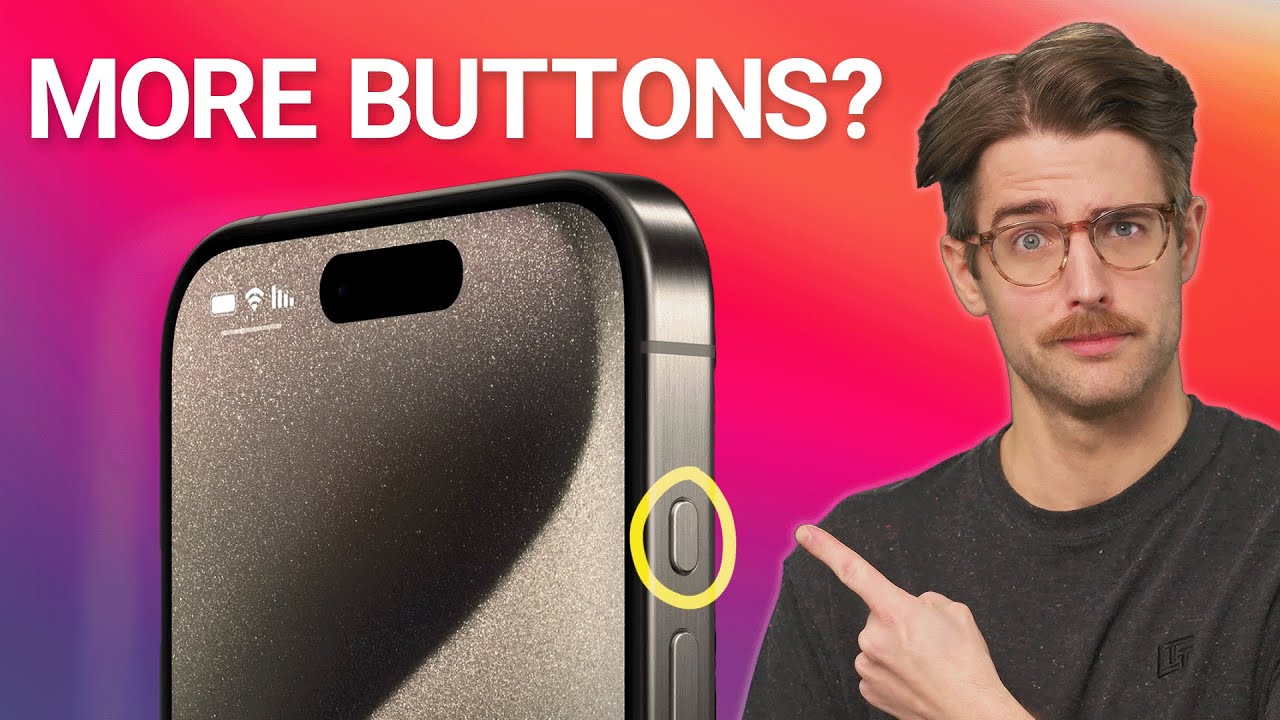
Get 20% off DeleteMe US consumer plans when you go to joindeleteme.com and use promo code Techquickie at checkout. Apple just added the Action Button and a camera button to the iPhone. Could physical buttons be making a comeback in phones and cars? Leave a reply with your requests for future episodes. ► GET MERCH: lttstore.com ► GET A VPN: piavpn.com ► GET EXCLUSIVE CONTENT ON FLOATPLANE: lmg.gg ► SPONSORS, AFFILIATES, AND PARTNERS: lmg.gg
Paragraph 1: The video opens by highlighting Apple’s addition of a new action button to the iPhone, framing it as part of a broader move away from abundant physical controls. It explains that the push toward minimal hardware stems from a design principle where form should follow function, yet acknowledges that users still rely on certain tangible controls like power and volume buttons because they perform essential, frequently used tasks. The host notes that dedicated buttons for camera, flashlight, silent mode, and quick access functions reflect real-world usage patterns where quick physical access remains valuable. The discussion also covers the technical and design tradeoffs of buttons, including how cutouts in the phone frame can affect antenna performance and why some brands choose metal versus plastic for a premium feel. Overall, the segment suggests that while fewer buttons can look sleek, there is a practical limit to how many can fit on a general purpose device without confusing the user experience. Paragraph 2: Shifting to cars, the video argues that automotive design faces similar tensions between minimalism and usability. It describes design pressure for sleek interiors in electric vehicles and notes that drivers still benefit from tactile controls for critical tasks like climate and wipers, which are safest when accessible without looking. The host references industry viewpoints that some brands have overshot with minimalist interfaces, creating learning curves and distraction risks, and cites a cautious middle ground where frequently touched controls remain physical while other functions move to screens. The episode also points out regional and cultural variations in expectations for physical controls and concludes with a reminder to stay focused on the road, teasing the next Tech Quickie episode as a place to explore further questions about button design in technology and vehicles.
Topics · technology · design · automotive
Questions answered
- What drives the push for fewer physical buttons in consumer devices like smartphones and cars?
- The trend is influenced by a design philosophy that favors sleek, minimal aesthetics and the belief that fewer physical controls can create a cleaner user experience, while still retaining essential tactile inputs for frequently used functions.
- Are there practical safety concerns with removing buttons in vehicles?
- Yes, many drivers find physical controls safer because they can be operated by feel without looking away from the road, which reduces distraction and helps manage critical tasks more reliably.