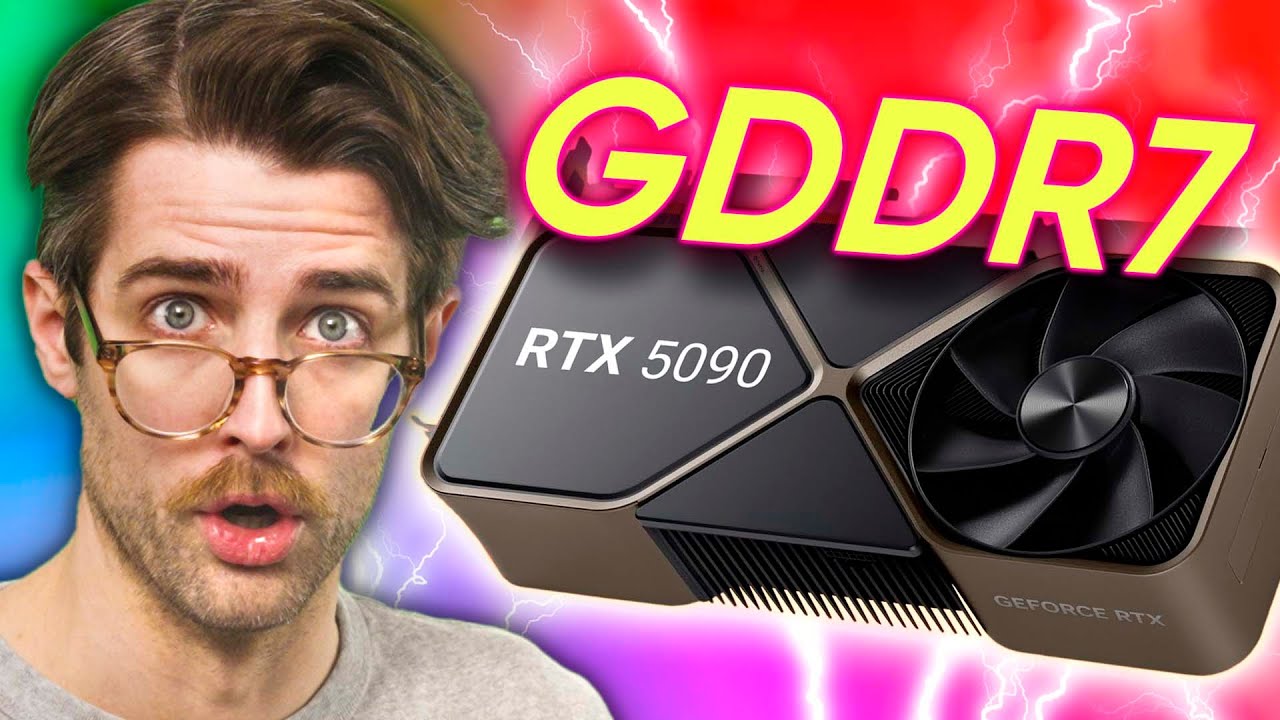
GPUs Are About to Change.
0 up · 0 down · 0 ratings
Promos
Get 20% off DeleteMe US consumer plans when you go to joindeleteme.com and use promo code TECHLINKED at checkout. DeleteMe International Plans: international.joindeleteme.com ► GET MERCH: lttstore.com ► GET EXCLUSIVE CONTENT ON FLOATPLANE: lmg.gg ► LISTEN TO THE TECH NEWS: lmg.gg ► SPONSORS, AFFILIATES, AND PARTNERS: lmg.gg ► OUR PODCAST GEAR: lmg.gg NEWS SOURCES: lmg.gg --------------------------------------------------- Timestamps: 0:00 we're artists 0:20 RTX 50 series leaked details 2:12 AMD ups Freesync cert requirements 4:03 Upcoming Macs and iPads 6:11 QUICK BITS INTRO 6:19 Reddit looks to raise $750 million 6:54 Xiaomi removes YouTube background play 7:25 Google confirms Pixel 8A 8:07 Resizable bar mod for GTX 16, RTX 20 series 8:55 Porsche Taycan Turbo GT FOLLOW US ELSEWHERE --------------------------------------------------- Twitter: twitter.com Instagram: @TechLinkedYT Facebook: @TechLinked TikTok: @techlinkedyt
Paragraph 1: The video opens by framing Nvidia's upcoming RTX 50 series as a topic worth deep attention, despite the usual hype cycle surrounding new GPUs. It references leaked details reportedly from trusted tipsters about the GB 202 and GB 203 GPUs, including a potential cutdown GB 203 variant with half the cores and the possibility of adopting GDDR7 memory, peaking at 28 Gbps while remaining faster than GDDR6X. The discussion also notes conflicting signals on memory bus width, with claims of a 512-bit interface for GB 202 versus earlier hints of 384-bit like the RTX 490, highlighting the uncertainty that surrounds next‑gen silicon. The segment then pivots to broader implications, noting that Nvidia’s AI initiatives and DGX servers may drive heat and power considerations that even push liquid cooling into the spotlight. Across these elements the host ties the GPU rumor mill to practical realities like power demands and the potential scale of memory bandwidth, while keeping the focus on what the leaks could mean for performance and price once正式 released. Paragraph 2: The video transitions to a wider technology landscape beyond Nvidia, touching on AMD's changes to the FreeSync certification process which now requires higher maximum refresh rates and HDR support, aligning with common gaming monitor standards. It also mentions upcoming Apple hardware and the ongoing legal scrutiny around AI training data, including Nvidia’s Nemo platform and related copyright lawsuits, situating GPU advances in the broader drama of AI development and intellectual property. The host examines how these shifts influence developers and consumers, such as the compatibility of Radeon’s upscaling tech and the practicalities of enabling features across different operating systems and browsers. The segment then wraps with quick takes on related topics like a reversible bar mod for older GPUs, Porsche’s performance announcements, and a light note on the evolving ecosystem of high‑end tech products, suggesting that the next wave of GPU and AI tech will unfold within a complex, multi‑player tech environment rather than in isolation.
Topics · technology · hardware · ai · consumer-electronics · games-and-gaming
Questions answered
- What are the rumored specs for Nvidia's RTX 50 series Blackwell GPUs from the leak mentioned in the video?
- The leak cites GB 202 and GB 203 GPUs, with a possible cutdown GB 203 variant, and suggests the potential use of GDDR7 memory up to 28 Gbps, along with varying memory bus widths with hints of a 512‑bit interface for GB 202 in some versions.
- How is AMD changing its FreeSync certification requirements according to the video?
- AMD is raising the minimum standards for FreeSync certification, increasing the required maximum refresh rate, and aligning criteria so that displays meet higher refresh and HDR standards for certification.
- What does the video say about the resizable-bar mod mentioned in the transcript?
- The mod provides resizable bar support to Nvidia RTX 20 series and GTX 16 series GPUs, enabling a feature that lets the CPU access the GPU frame buffer, but it requires compatible motherboard, CPU, and GPU, and involves patching UEFI firmware, which carries risk.