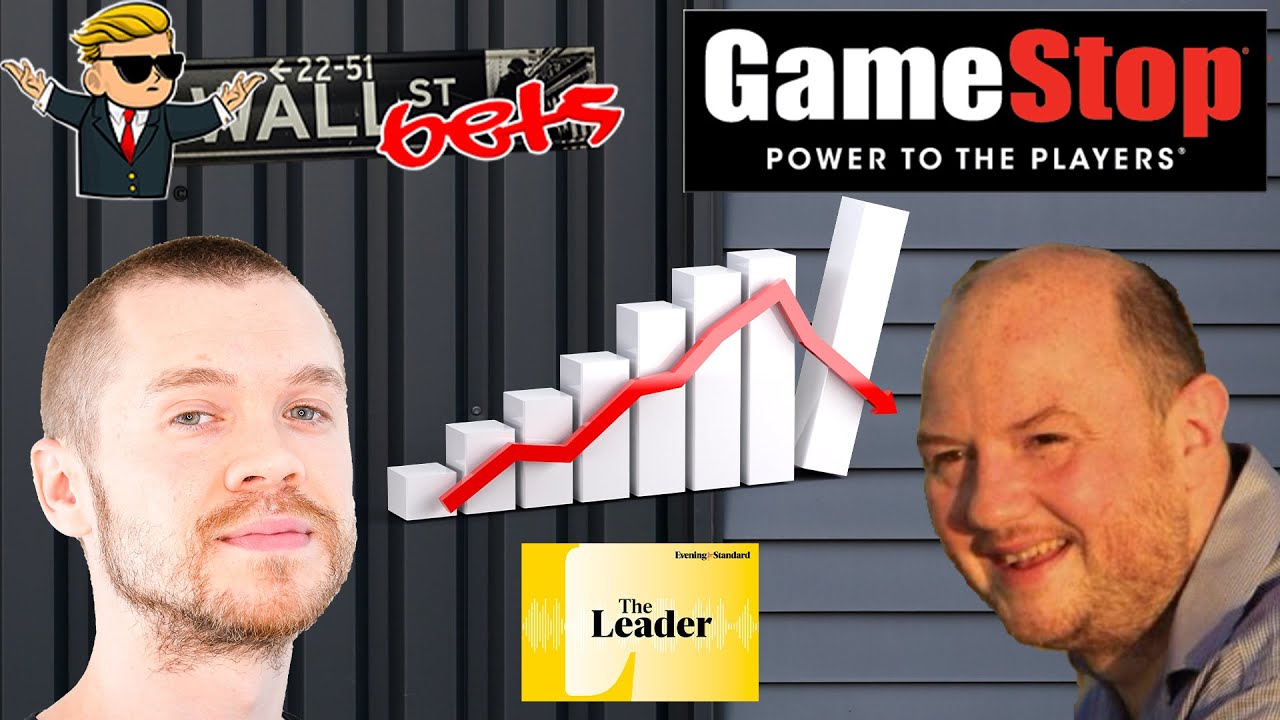
GAMESTOP: A Simple Summary - Gary on The Listen Evening Standard Podcast with David Marsland
0 up · 0 down · 0 ratings
Channels and socials
Economist and former trader Gary Stevenson explains what’s happening with Wall Street after struggling US retailer GameStop suddenly saw its share price rocket. He tells us how investors have been hit by a “classic short squeeze” and warns it will happen again as the effects of the covid pandemic start to hit economies. Broadcast on 28/01/2021 @ 16:05 pod.fo/e/b40e9 Uploaded with permission from The Evening Standard standard.co.uk SOCIAL MEDIA: WEBSITE - wealtheconomics.org TWITTER - @garyseconomics FACEBOOK - garyseconomics INSTAGRAM - garyseconomics GARY'S ARTICLES: www-express-co-uk.cdn.ampproject.org theguardian.com cityam.com opendemocracy.net opendemocracy.net nationalobserver.com MORE VIDEOS: COVID-19 MONEYFLOW THEORY - youtu.be COVID-19 RICH GETTING RICHER - youtu.be AUDIO FROM: Listen Podcast - The Evening Standard STOCK BY: William Daigneau on Unsplash Johannes Plenio on Pexels Spoken by Gary Stevenson GARY'S ECONOMICS Edited by Simran Mohan MOHAN MEDIA 2020
In this interview, Gary Stevenson explains the GameStop momentum in plain terms, starting with what short selling is and why it matters. He describes how traders borrow shares to sell them with the hope of buying them back later at a lower price, thus profiting from a decline. The discussion then maps how a group on Reddit decided to challenge these short positions, sparking a classic short squeeze when buying pressure pushed the stock price higher instead of falling. He situates the event in a broader context of economic stress from the Covid era, noting that many ordinary people are financially strained while the wealthier segments of society see gains in markets. The conversation also probes the role of new trading platforms like Robin Hood, and questions whether democratizing access to markets helps or hurts average investors. Stevenson stresses the dual nature of the phenomenon: potential benefits of broader market access alongside serious risks of volatility and misleading incentives. He cautions listeners about investments that appear easy in the headlines, highlighting the dangers of online spread betting and meme stocks when people do not fully understand the risks. The exchange culminates in a warning that policy responses and regulatory scrutiny are likely to increase, as governments respond to the signals sent by markets during the pandemic, and as central banks inject liquidity that disproportionately benefits wealthier holders. The overall take is that while accessible markets bring opportunities, they also create instability and require careful, informed participation from ordinary savers. The episode ends with a reminder to be prudent and to stay informed about how government monetary actions influence asset prices and personal finances.
Topics · finance · stock market · economics · inequality
Questions answered
- What is a short squeeze and why did it happen with GameStop?
- A short squeeze occurs when investors betting on a stock to fall (short sellers) are forced to buy shares to cover their positions as prices rise, driving the price up further. In the GameStop case, coordinated buying from a Reddit community pushed the stock price up, catching short sellers off guard and triggering a rapid price surge.
- What are the main risks for ordinary investors in meme stocks and online trading?
- Main risks include high volatility, potential for large losses, and the possibility of gambling-like behavior driven by hype rather than fundamentals. The advisor cautions investors to invest sensibly, avoid excess leverage, and consider the broader consequences of sudden price swings and regulatory changes.