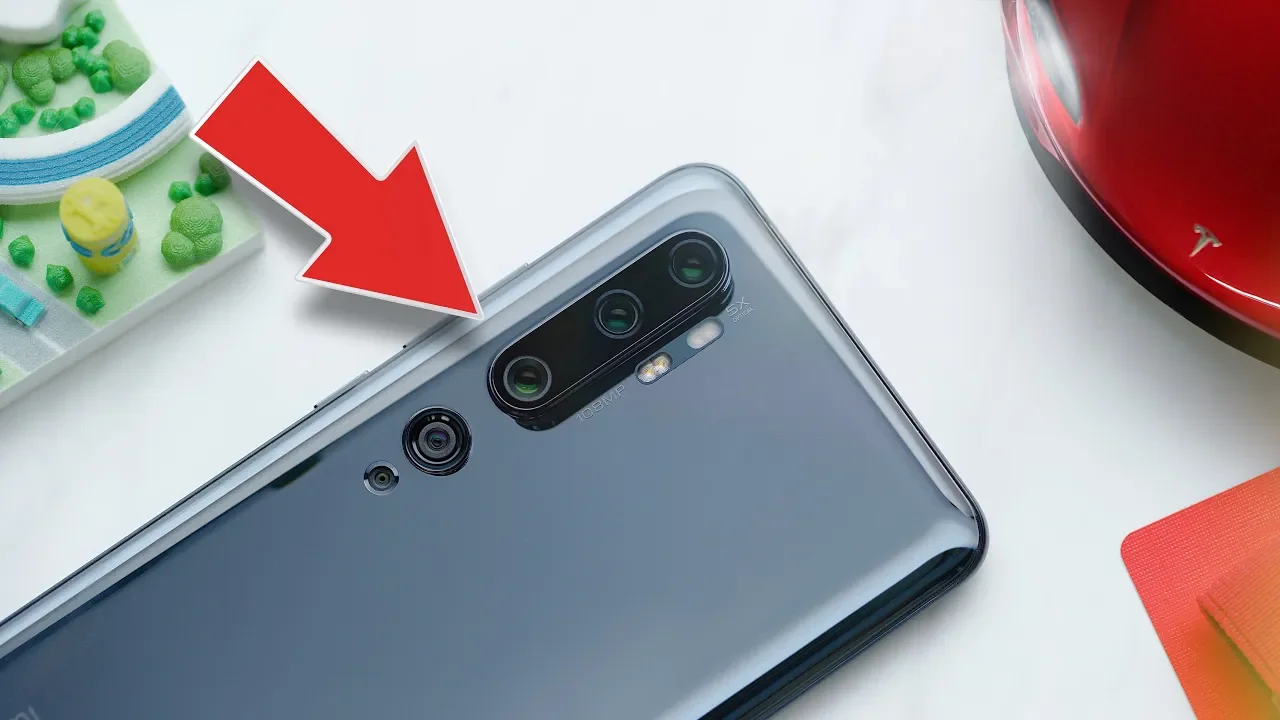
The 108-Megapixel Smartphone Camera?!
0 up · 0 down · 0 ratings
Promos
Xiaomi Mi Note 10 has a legit 108-megapixel camera. Time to take a closer look. Get 70% off NordVPN! $3.49/mo, plus 4 additional months FREE at: nordvpn.com MKBHD Merch is back for the holidays! shop.mkbhd.com MKBHD Merch: shop.mkbhd.com Video Gear I use: kit.com Tech I'm using right now: amazon.com Intro Track: No Fear No More by Madeon Playlist of MKBHD Intro music: goo.gl ~ twitter.com @MKBHD @MKBHD
The video examines the Xiaomi Mi Note 10 and its standout feature, a 108 megapixel rear camera sensor. It starts by placing this megapixel claim in historical context, noting prior rounds of increasing megapixel counts and the fact that higher numbers don’t automatically guarantee better photos. The host explains what 108 MP means in terms of resolution, file size, and the kind of detail you can expect when shooting in good lighting, emphasizing that the center of a frame tends to be exceptionally sharp while the edges can show distortion. Real-world comparisons with the iPhone 11 Pro illustrate how 108 MP enables extreme zoom and cropping without losing detail, though performance in low light is less stellar due to aggressive software processing. The camera system on the Mi Note 10 is elaborated, including its five lenses, two flashes, and the practical implications of such hardware on everyday use, like shutter latency and file handling. The host weighs the trade-offs, noting that the phone is mid-range in other aspects (CPU, RAM, storage) but solid overall, with a strong display and a capable battery. Finally, the video touches on future prospects in flagship devices, such as rumors of even higher megapixel sensors, and closes with personal reflections on the camera’s usefulness, especially for landscapes, and the ongoing evolution of smartphone camera technology. Throughout the discussion, the host demonstrates the 108 MP mode and contrasts it with standard 12 MP captures, showing how upscaling, noise reduction, and edge rendering affect perceived image quality. He highlights the practicalities of shooting in 108 MP mode, including slower shutter times and longer processing, which impacts the immediate usability of the photo after capture. The comparison with other devices like the iPhone adds context to how high resolution does not automatically translate to better everyday photography, especially under challenging lighting. The video also covers user experience aspects, including lens options, zoom capabilities, and the phone’s overall hardware and software integration under MIUI 11. In closing, the host reflects on the potential impact of even higher megapixel sensors on future high-end phones and whether the pursuit of megapixel counts will translate into meaningful gains for most users, while inviting viewers to consider how improvements in processing power and storage could improve real-world outcomes. Overall, the video presents a balanced view of 108 MP as a compelling but not flawless feature, marked by exceptional center detail in bright light, notable edge and low-light limitations, and practical trade-offs in speed and workflow. It positions the Mi Note 10 as a strong mid-range option with a genuinely impressive camera technology demonstration, while acknowledging that true flagship performance and experience will likely depend on future optimization and higher-end hardware.
Topics · Technology · Mobile Technology · Photography · Consumer Electronics
Questions answered
- What does a 108 megapixel sensor actually change in everyday photography?
- It increases the potential detail and crop flexibility, especially in well-lit scenes, but performance can suffer in low light due to heavier processing and slower capture in 108 MP mode.
- How does the 108 MP mode compare to standard 12 MP mode on the Mi Note 10?
- In bright light, 108 MP mode delivers crisper center detail and more zoomed-in clarity when cropping, while 12 MP is more balanced, faster to shoot, and generally better in low light due to lighter processing.