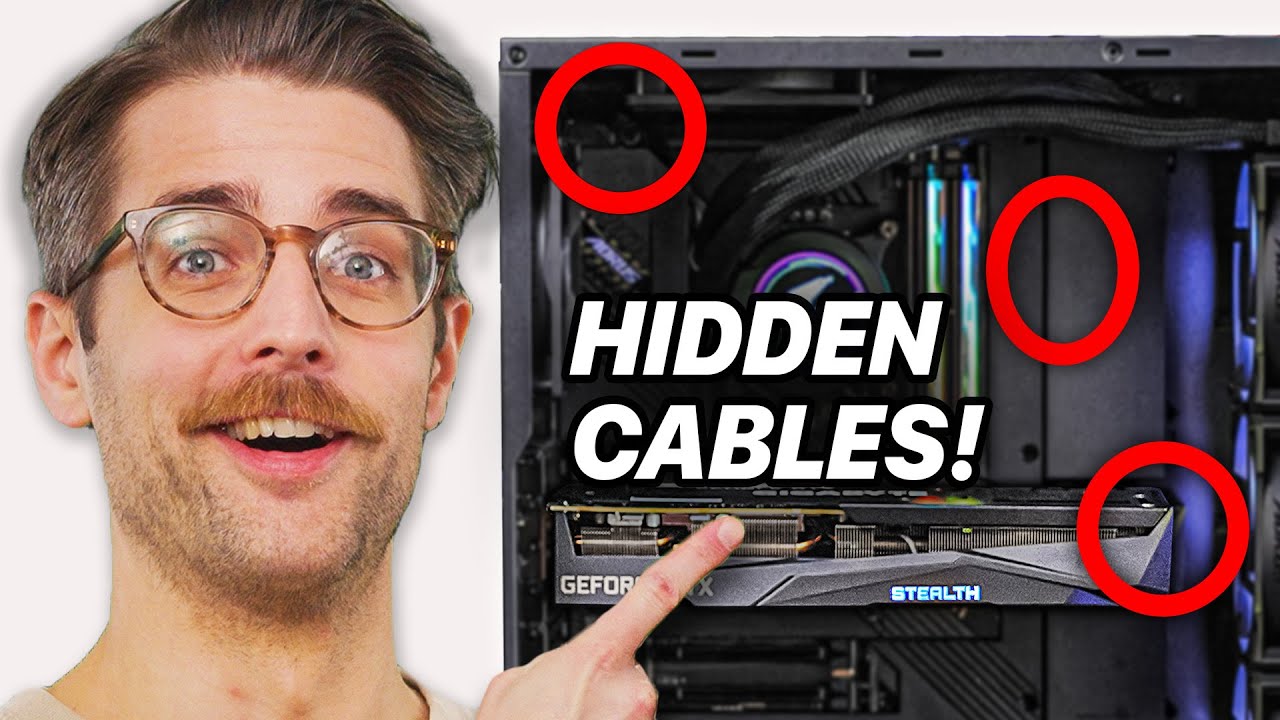
Hidden-Connector Motherboards Explained
0 up · 0 down · 0 ratings
Promos
Looking for electronic components and equipment? Consult the specialists! Head over to lmg.gg and save 10% using code “LMG” Learn about rear-connector motherboards that are now being offered by several major manufacturers, including Gigabyte's Project Stealth, MSI's Project Zero, and Asus' BTF. Leave a reply with your requests for future episodes. ► GET MERCH: lttstore.com ► GET EXCLUSIVE CONTENT ON FLOATPLANE: lmg.gg ► SPONSORS, AFFILIATES, AND PARTNERS: lmg.gg FOLLOW US ELSEWHERE --------------------------------------------------- Twitter: twitter.com Facebook: @LinusTech Instagram: @linustech TikTok: @linustech Twitch: twitch.tv
Hidden-Connector Motherboards Explained delves into a trend where leading motherboard makers such as Asus, MSI, and Gigabyte are shifting most internal connectors to the rear edge of the PCB. The video frames this as a solution for cable management and aesthetics, aiming to reduce visible spaghetti inside the case and simplify building in tighter spaces. Early on, the host traces the shift from traditional front-panel wiring to rear-mounted connectors, highlighting that the idea has roots dating back to a 2011 patent and discussing why it took time to gain momentum. The discussion weaves together shifts in PC culture, where aesthetics grew in importance alongside performance, and explains how social media and community feedback have pushed manufacturers to prioritize cleaner, more streamlined builds. The host details the practical benefits, such as easing cable routing and reducing interference with other components, while also acknowledging current limitations like the need for compatible cases and the lack of an open standard for rear connectors. The narrative then covers the market rollout, noting Asus’s Prime Utopia concept, Gigabyte’s Project Stealth, MSI’s Project Zero, and Asus’s BTF, with timing from 2011 patenting to 2024 product availability. The segment ends by evaluating potential future trajectories, including a broader ecosystem of compatible cards and cases, and whether rear connectors will become a mainstream alternative to traditional cabling. Overall, the host presents a balanced view: initial costs and compatibility hurdles exist, but the idea could reshape how enthusiasts approach PC builds if demand sustains and standards mature.
Topics · technology · hardware · pc-modding · cable-management
Questions answered
- What is the purpose of rear-connector motherboards and what problems do they aim to solve?
- Rear-connector motherboards place most internal connectors at the back of the PCB to improve cable management, reduce visible cables, and simplify builds in tight spaces.
- Which brands have introduced rear-connector boards and in what sequence did they appear?
- Asus showed a rear-connector concept on the Prime Utopia, Gigabyte released the first commercial rear-connector board with Project Stealth in 2022, MSI followed with Project Zero in 2023, and Asus expanded with BTF in 2024.
- What are the main practical considerations or limitations for using rear-connector systems?
- Limitations include the need for compatible cases, no universal rear-connector standard yet, and certain power or PCIe cable considerations for graphics cards that can affect compatibility and aesthetics.