I Used to Help the Rich Avoid Tax - Part 1 Stephanie Brobbey
0 up · 0 down · 0 ratings
Channels and socials
"There are more food banks than McDonald's in the UK and when I heard that I just thought I don't I can't continue being part of this system which is essentially designed to keep concentrating wealth and minimizing tax. A lot of my job was to do a lot of succession planning and advising on asset protection and asset preservation, helping people to pass down assets, their wealth to their families" Follow Steph on Twitter: twitter.com Stephs Latest Guardian Article: theguardian.com For More Information about Advice on Wealth Stewardship visit: goodancestormovement.com SUBSCRIBE, SHARE & START A CONVERSATION SOCIAL MEDIA: WEBSITE - wealtheconomics.org TWITTER - @garyseconomics FACEBOOK - @garyseconomics INSTAGRAM - @garyseconomics Guest Appearance by Stephanie Brobbey FOUNDER of the GOOD ANCESTOR MOVEMENT Performed by Gary Stevenson GARYSECONOMICS Produced by Simran Mohan MOHAN MEDIA
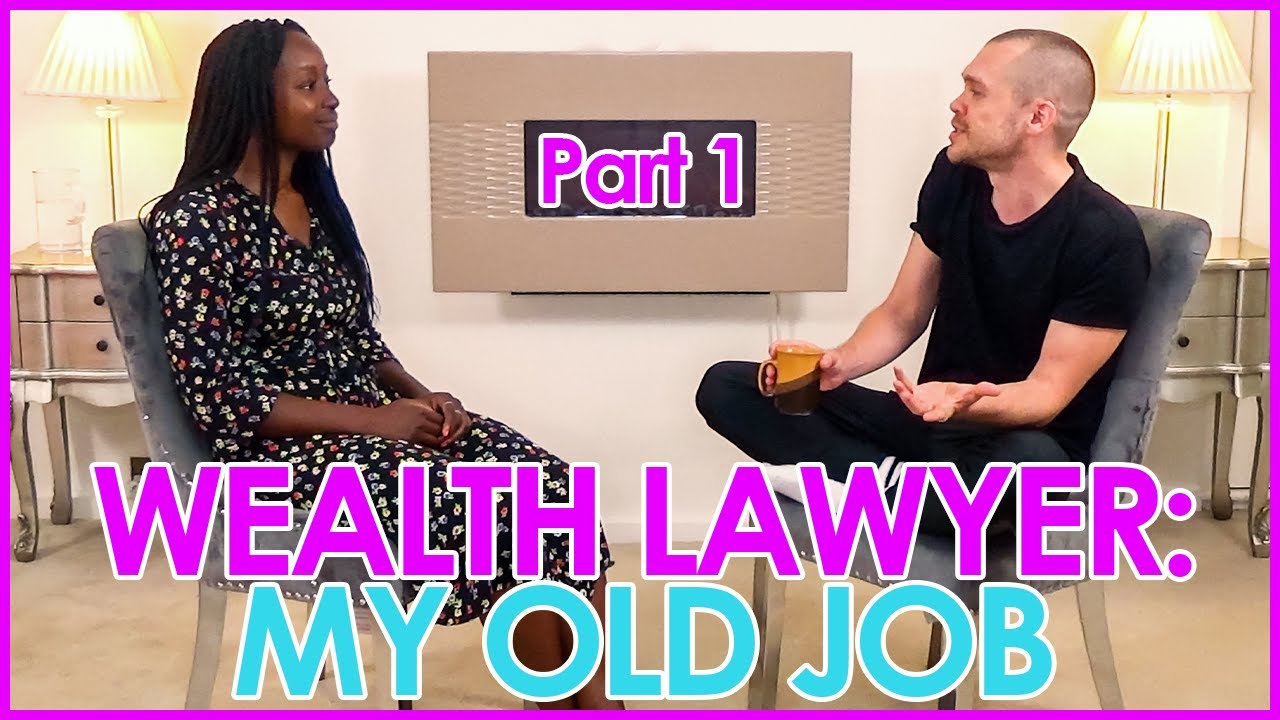
The video opens with a striking statistic about economic disparity, noting that there are more food banks than McDonald’s restaurants in the UK. This sets the stage for a broader discussion about wealth concentration, taxation, and the moral questions around how wealth is accumulated and preserved. The host introduces Stephanie Brobbey, a former tax advisor who worked with very wealthy clients, and invites her to explain what life is like for the ultra-rich and how wealth intersects with tax strategy. Brobbey shares her background, growing up in West London in social housing, and describes how exposure to wealth and privilege shifted her perspective on justice and economic systems. She explains that her early career involved succession planning and asset preservation, which she later realized contributed to reduced government revenue for public services. The conversation then broadens to definitions of wealth, distinguishing between income and wealth, and discussing how even multi-millionaires can feel financially insecure due to cultural narratives around scarcity and legacy preservation. Throughout, the dialogue gradually links personal experiences to systemic questions about tax, public services, and the impact of wealth accumulation on ordinary people.
Topics · economy · tax_policy · wealth_inequality · housing · finance
Questions answered
- What factors shape the way ultra high-net-worth individuals view wealth and wealth preservation?
- Ultra high-net-worth individuals often view wealth through the lens of legacy and risk management. They consider asset protection, estate planning, and the use of gifts or trusts to minimize taxes, while balancing concerns about maintaining social status and ensuring future generations have access to resources.
- How does wealth concentration relate to funding for public services, according to the discussion?
- The discussion argues that concentrating wealth reduces public revenue because tax planning and wealth-preserving strategies can lower what governments collect. This, in turn, can constrain public services like healthcare, education, and welfare programs, which most directly affect ordinary families.
- What distinction does the interview make between wealth and income, and why is it important?
- Wealth refers to accumulated assets and property, while income is money earned from work or investments. The distinction matters because wealth can generate passive income and keep people financially secure across generations, while those with high incomes but few assets may still face financial insecurity or lack access to housing and opportunities.
- What policy or societal changes does the guest imply could reduce inequality without demonizing wealth creators?
- The guest suggests reforms that ensure fair taxation on wealth-derived income and assets, closing loopholes, and improving transparency in asset transfers. She emphasizes using tax revenue to fund public services and to prevent wealth from being perpetually locked in private hands, thereby expanding opportunities for ordinary people.