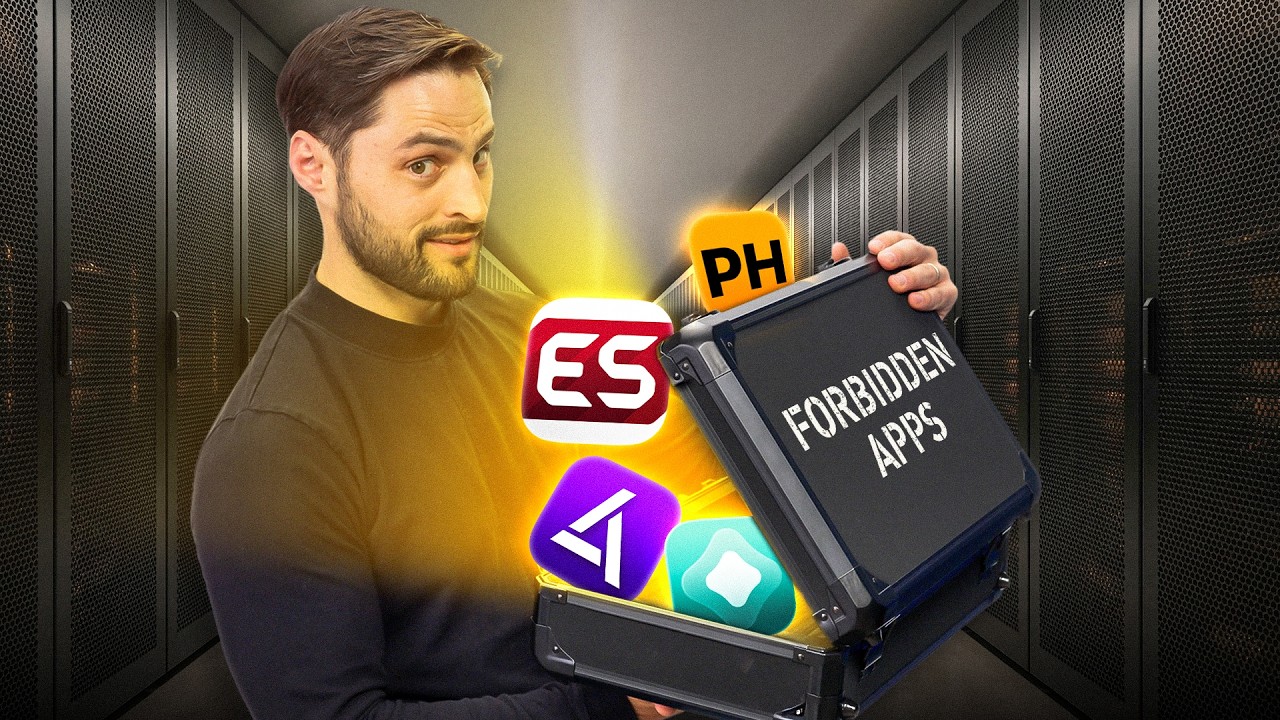
Side loading apps has changed (here's a recap)
0 up · 0 down · 0 ratings
Description
Thanks to Micro Center for sponsoring this video!
Check out Micro Center's Desktop Deals: micro.center Sign up for a FREE 128 gig Flash Drive at Micro Center Austin, Texas: micro.center Sign up for a FREE 128 gig Flash Drive at Micro Center North Jersey: micro.center Visit Micro Center News: micro.center Downloading apps seems straight forward, but on mobile it's anything but. There are hoops to jump through, pop-ups to fend off, and monolithic app stores to contend with. Getting full control on Android is even slipping further and further away. Join us as we embark on a journey to get to the bottom of sideloading. Thanks to the founders of the Alt Store, Riley Testut and Shane Gill for helping us with this episode. Leave a reply with your requests for future episodes. ► SHOP OUR PRODUCTS: lttstore.com ► GET A VPN: piavpn.com ► GET EXCLUSIVE CONTENT ON FLOATPLANE: lmg.gg ► SPONSORS, AFFILIATES, AND PARTNERS: lmg.gg
Side loading apps has changed, and this video provides a thorough recap of how the practice has evolved on both Android and iOS devices. It begins by unpacking what side-loading actually means across platforms, clarifying that APKs and IPAs are simply the packaging formats for Android and iPhone apps, respectively. The host explains why people choose to side-load, including access to beta software, region-locked titles, or tools that gatekeepers disallow, as well as reasons tied to privacy or revenue concerns from official stores. The discussion then moves into historical friction, noting how Android allowed side-loading with caveats such as Play Protect warnings, while Apple historically banned it outright, enforcing strict control through the app store. The segment highlights AltStore and Riley Testut as pivotal figures in early side-loading efforts, illustrating how developers have navigated the ecosystem to enable testing and distribution outside official channels. It also points out the risk calculus: while no system is completely free of malware risk, the iPhone ecosystem leverages sandboxing and notarization to offer a higher assurance path, whereas Android has long offered an open door that is increasingly guarded by new verification steps and delays for unverified developers. The mid-video pivot discusses corporate incentives behind app stores, such as revenue sharing and gatekeeping, using examples like Amazon Fire tablets to explain why third-party app access remains appealing to users. As the video progresses, it contrasts policy shifts on both platforms: Android is rolling out a broad, mandatory verification and waiting period for non-verified developers, while Apple is expanding notarization-inspired approaches to allow outside-app-store installations within certain regulatory contexts, accompanied by ongoing security scans. The host concludes by framing side-loading not as a chaotic Wild West but as a controlled balance between user freedom and platform safety, urging viewers to consider the real-world impact of these changes on device security, usability, and the power users retain over their own hardware. The recap wraps with a teaser that further explorations,like running Windows on an iPhone,demonstrate just how far side-loading can push device capability when limits are tested. Overall, the video argues that the shifting rules reflect a broader tension between openness and protection, and it invites the audience to weigh convenience against risk when deciding how to manage software on their devices.
Topics · technology · mobile · digital rights · privacy · security · apple · android
Questions answered
- What exactly is sideloading and why is it controversial?
- Sideloading is installing apps outside of the official app store, using packages like APKs on Android or IPAs on iOS. It is controversial because it raises questions about device security and the control tech platforms exert over software distribution, balancing user freedom against potential malware risks.
- How are Google and Apple changing sideloading rules?
- Google is adding a verification layer with a 24-hour waiting period for non-verified developers on Android, including a screen that must be restarted, effectively delaying installs. Apple is extending notarization-style checks to iPhone devices, allowing outside-app-store installations in certain regulatory contexts while maintaining security scans.
- Are side-loading risks greater than using official stores?
- No system is risk-free; official stores also have malware incidents. The video argues that the risk depends on how the platform manages security checks, sandboxing, and user permissions, with Apple historically providing stronger built-in protections via sandboxing and notarization.