This Was Ahead of its Time!
0 up · 0 down · 0 ratings
Promos
Top 3 Gadgets that were ahead of their time, and why they'll reappear in our future MKBHD Merch: shop.mkbhd.com Tech I'm using right now: amazon.com Intro track: 1AM OMW by Ballpoint Playlist of MKBHD Intro music: goo.gl ~ twitter.com @MKBHD @MKBHD
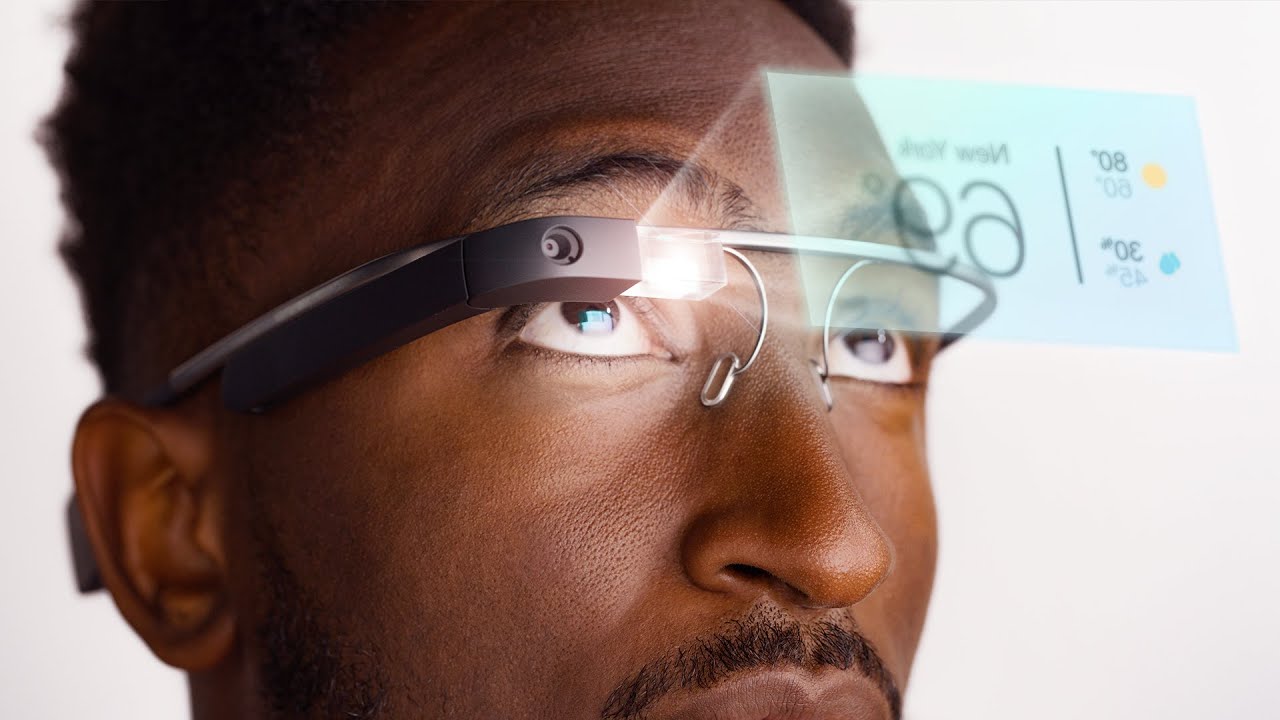
This video argues that several consumer electronics were genuinely ahead of their time, even though their initial reception was mixed or outright negative. It opens with a reflection on how early formats like Vine foreshadowed later shifts in short form video, drawing a line to TikTok’s dominance today. The host then dives into the first major example, Google Glass, detailing its ambitious goals, the dramatic launch reveal, and the public backlash that ultimately sidelined the product for mainstream use while leaving a path for enterprise versions. He stresses that head mounted displays and AR features are resurfacing in 2020s products, suggesting Google Glass walked so later AR efforts could run, with Apple and others pushing live translation and real-time context in wearables. The middle section centers on two additional devices that failed at launch but proved prescient. The Samsung Galaxy Camera is described as a bold hybrid that fused a high end camera with a full Android smartphone in a single body, aimed at streamlining the workflow from capture to sharing. The host explains why this concept faltered in practice: despite strong hardware and an attractive idea, usability friction and market timing limited its appeal, even as the idea of connected, powerful cameras persisted. The Motorola Atrix is examined as another forward-looking concept, pairing a smartphone with a dock that transformed into a laptop-like experience. The video highlights the ecosystem hurdle, noting that the success of such a laptop-in-a-phone idea hinges on broad software and platform support, not just hardware. In the final stretch, the host recaps that power, software ecosystems, and consumer acceptability have all matured enough to enable similar ideas today. He points to trends like smartphone-powered laptops and mobile computing milestones as evidence that the core concepts behind these devices are finally becoming practical, even if the original products themselves did not endure. The overarching message is that being ahead of the time often means facing adoption barriers that prevent immediate success, but those ideas can influence future waves of innovation. The video ends with an optimistic forecast for where these lines of technology are headed next, tying the threads between past misfires and current mobile computing trajectories.
Topics · technology history · consumer electronics · wearable tech · mobile computing · photography · electric vehicles · AR/VR · digital culture
Questions answered
- Why were Google Glass and similar wearables considered ahead of their time, and what lessons can be learned for future AR devices?
- They offered compelling hands-free information access and contextual awareness, but public acceptance suffered due to perceived privacy concerns and unfamiliar form factors. The key lesson is that comfort, privacy cues, and clear consumer value are essential for mainstream adoption, while enterprise use can validate the technology before mass appeal.
- What made the Samsung Galaxy Camera concept appealing yet unsuccessful, and could a similar approach work today?
- It combined a high end camera with a smartphone, enabling instant sharing and processing, but early camera UIs and market timing limited appeal. A modern equivalent could succeed if seamlessly integrated with user workflows, has strong app support, and avoids duplicating existing devices too aggressively.
- Will modern devices finally achieve the one-device-for-all vision exemplified by the Atrix lapdock, or will ecosystems block progress?
- Progress hinges on software and ecosystem support, not just hardware. While hardware has improved dramatically, the absence of a universal platform means users tend to favor established ecosystems, though cross device solutions and USB-C/cloud-based work systems are narrowing that gap.