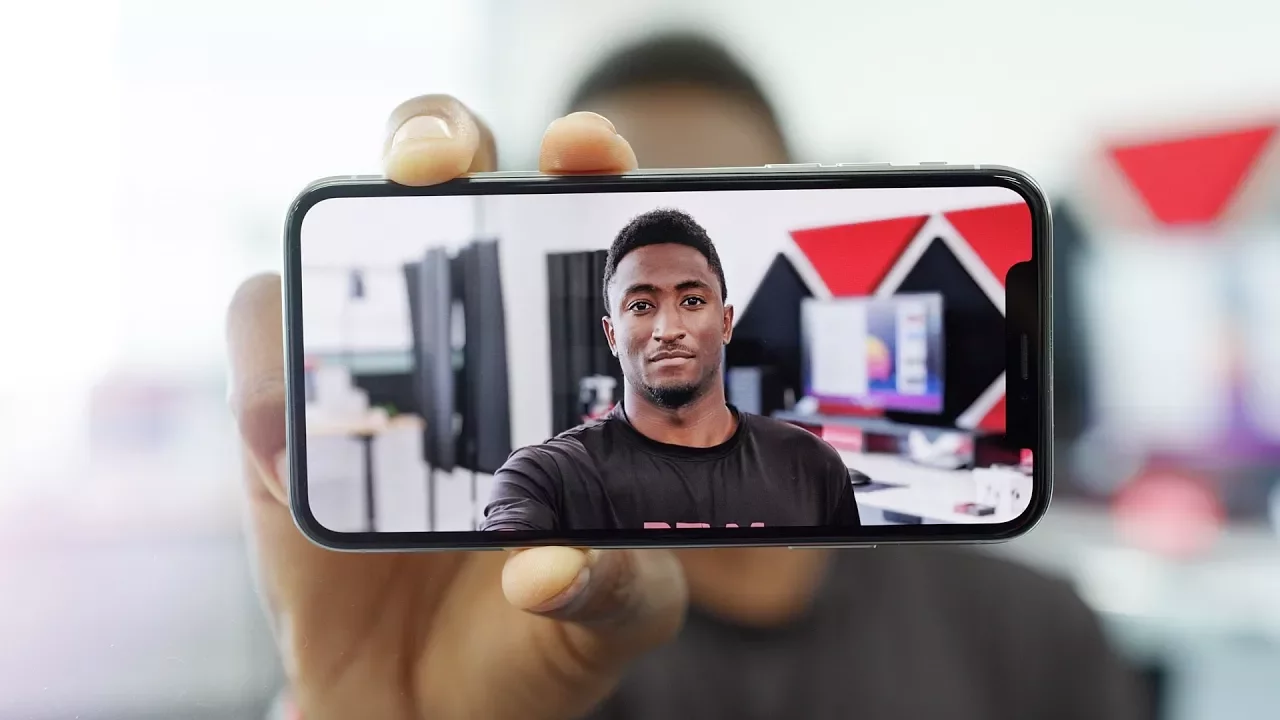
Portrait Mode: Explained!
0 up · 0 down · 0 ratings
Channels and socials
iPhone X vs Note 8 vs Pixel 2 vs the Hasselblad X1D. It's closer than you might think! That sweatshirt: amzn.to My Flickr: @N06 Groot: amzn.to Shot on a Smartphone: youtu.be Video Gear I use: kit.com Intro Track: Weight ft. Alyss by Mr. J Medeiros ~ twitter.com snapchat.com google.com @MKBHD @MKBHD
Portrait Mode: Explained starts by situating portrait mode as a shallow depth of field effect, traditionally associated with high-end cameras that have large sensors and fast lenses, and then demonstrates how modern smartphones mimic this look with dual cameras and clever software. The video recalls how the feature first appeared on the iPhone 7 Plus, where dual cameras and early software updates began the journey toward realistic background blur, then tracks how 2017 smartphones like the iPhone 10, Galaxy Note 8, and Pixel 2 strive to emulate the bokeh of professional gear. Marques Brownlee contrasts these smartphones with a serious mid-format camera, the Hasselblad X1D, describing medium format sensors and their impact on image quality and depth effects. He explains two core mechanisms used by phones to create depth: edge detection and depth sensing through differences between adjacent pixels or dual camera inputs, noting that every device handles this differently and is imperfect compared to a real camera. The comparison shows that while smartphones have improved dramatically, the best bokeh still comes from high-end cameras, with the smartphone class offering exceptional portability, instant capture, and software-driven enhancements that can be updated post-purchase. The overall takeaway is that the smartest camera in many everyday situations is the one you currently have with you, but manufacturers continue to close the gap between phone and pro gear while adding unique features that big cameras cannot easily match.
Topics · photography · technology · mobile devices · camera technology · science & technology · consumer electronics
Questions answered
- What is portrait mode and how does it simulate a shallow depth of field on smartphones?
- Portrait mode is a feature that creates a shallow depth of field by blurring the background while keeping the subject in focus. Smartphones achieve this using depth sensing either from dual cameras or depth-aware sensors, plus software processing to separate subject from background and apply varying blur levels.
- How do different phones compare in producing background blur and edge detection?
- Phones with dual cameras or depth sensors use differences in distance or pixel data to estimate depth. The iPhone 10 and Galaxy Note 8 use depth differences from dual cameras, Pixel 2 uses split pixel technology, and Hasselblad relies on a much larger sensor. Each yields different edge sharpness and blur gradients, with trade-offs in accuracy and artifacting.
- Why does the Hasselblad X1D still look different from smartphone portrait shots?
- The Hasselblad X1D uses a large medium format sensor that naturally yields superior background separation and larger, more natural blur. Smartphones use software-based depth effects and smaller sensors, which can produce impressive results but struggle to perfectly replicate the optical quality and depth cues of a large sensor.