Personal Project - Slick's Oil Cooled PC Computer Showcase Linus Tech Tips
0 up · 0 down · 0 ratings
Description
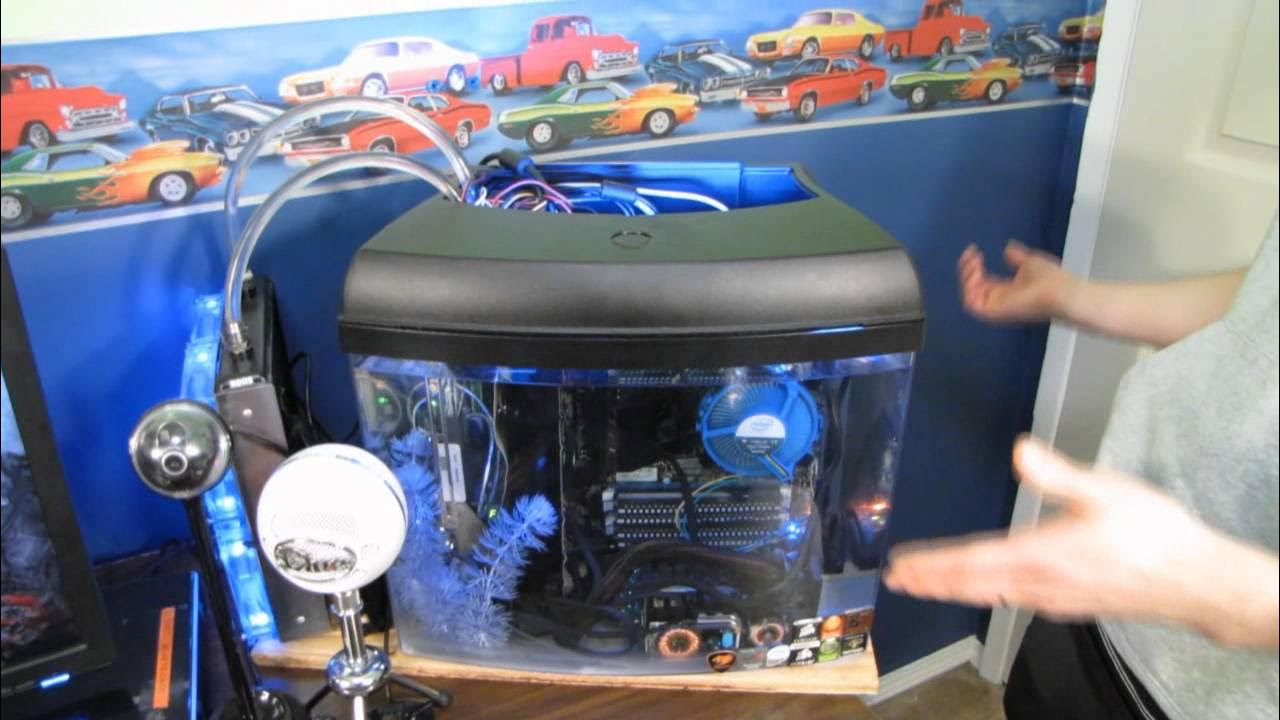
It may not be MY personal project, but it is A personal project. This thing is badass, and it also happens to be the origin of Slick's nickname. Slick... Like an oil slick... Like in Road Rash...
The video provides a dedicated showcase of Slick's mineral oil cooled PC, with Linus Tech Tips (LTT) examining a machine built around 2000s hardware and a compact form factor. The host walks through the rig’s core components, highlighting an overclocked 780i-based setup, a GTX 260 graphics card, and a quad-dimm memory arrangement that somehow worked on a 780i board. He notes the unusual mounting arrangement where the power supply is external or “ghetto mounted” near the memory to accommodate the oil cooling loop, and documents the unusual, stiff tubing caused by mineral oil. The discussion also covers the cooling strategy, including a four-by-one 120 mm radiator, external coolant lines near the power supply, and the practical limits of running mechanical drives inside the oil bath. The host explains the fundamental reason mineral oil is used instead of water, detailing how deionized water readily ionizes from metal surfaces and would eventually short out, whereas mineral oil provides inert, long-term operation. He also mentions maintenance quirks, such as refilling after an incident at a dorm, and the challenges posed by thick oil and submerged components, including cables and TB connections stiffening in oil. The segment ends with reflections on the project’s place in Slick’s resume, some light humor about the setup, and a firm stance that a future oil-cooled build guide is unlikely, while still appreciating the machine as an unusual and memorable artifact in Linus Tech Tips history.
Topics · technology · hardware
Questions answered
- Why is mineral oil used for cooling instead of deionized water in Slick's PC?
- Mineral oil is used because it is inert and does not readily conduct electricity. Deionized water, while non-conductive, tends to pick up ions from metal surfaces, which can lead to shorting components over time. Mineral oil reduces this risk and supports long-term submerged operation.
- What hardware components are visible in Slick's oil cooled PC and how was it cooled?
- The rig includes an overclocked setup on a 780i motherboard with an Intel quad-core CPU, GTX 260 graphics, and a quadruple 120 mm radiator. The oil bath is sealed around the motherboard, with external routing for coolant near the power supply, and stiff tubing due to the oil.
- Is building an oil cooled PC a practical project today, and would Linus ever cover a guide for it?
- According to the video, a full oil cooled build guide would be very time consuming and risky to maintain, so it is not practical to reproduce. The host explicitly states that a guide is unlikely, though the video remains an important historical piece in the channel’s history.