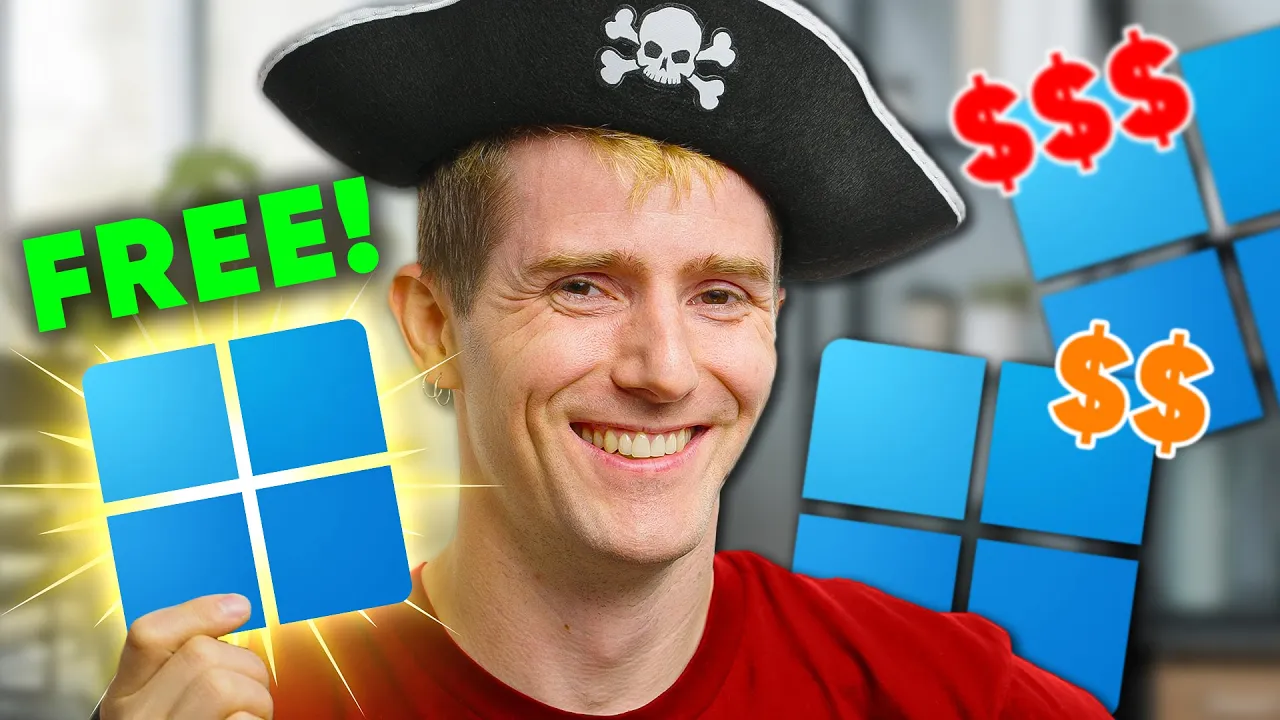
Are you paying too much for Windows?
0 up · 0 down · 0 ratings
Promos
Say hello to Hetzner — now offering dollar payments for new accounts! Signup for a Hetzner server and use code LTT24 to save $20 at htznr.li Thanks to MANSCAPED for sponsoring today's video. Get 20% Off + Free International Shipping with promo code LTT20 or visit manscaped.com You don’t even think about it with a pre-built computer, but every time you build or buy a new PC, you’re probably spending 10% of your budget on a Windows license. Does it REALLY need to cost so much? Discuss on the forum: linustechtips.com Need to Bypass Windows 11 TPM, CPU, and RAM Requirements?
Check out this guide! tomshardware.com Buy Windows 11 Home: amazon.com Buy Windows 11 Pro: amazon.com ► GET OUR MERCH: lttstore.com ► GET EXCLUSIVE CONTENT ON FLOATPLANE: lmg.gg ► GET A VPN: piavpn.com ► SPONSORS, AFFILIATES, AND PARTNERS: lmg.gg Purchases made through some store links may provide some compensation to Linus Media Group. CHAPTERS --------------------------------------------------- 0:00 Intro 1:07 Direct 2:45 Retail 3:25 OEM 4:40 Free Upgrade? 5:40 Just don't pay. 7:28 Yaaarrrr 8:45 I just want a discount 10:30 But I'm special 11:14 Just say no 11:33 Credits
The video opens by acknowledging the audience’s familiarity with Windows licensing debates, noting that many viewers feel burdened by 10 percent of a PC budget spent on an operating system that also pushes ads. The host then promises to explore at least a dozen ways to obtain Windows, from free options to discounted licenses, testing each path to determine value, legality, and practicality. They begin with the official route, Microsoft’s direct purchase, highlighting the price parity between direct downloads and retail boxes, and even humorously encountering a French language SKU. The discussion then moves through alternative licenses sold by retailers and system builders, explaining the trade-offs such as transfer limits, support responsibilities, and potential restrictions tied to the first machine. The video demonstrates a practical bypass for Windows 11 installation to use local accounts instead of Microsoft accounts, followed by installation experiences with retail and OEM licenses, including activation success and the realities of language packs and user experience. They also cover modern bypasses and pirated activation scripts, emphasizing the legal and ethical risks, the potential for malware, and the differences between legitimate keys from reputable sources and questionable marketplaces. The host concludes by listing educational and organizational options for cheaper or free licenses, such as school licensing, volume licensing, or Windows Insider builds, and then pivots to suggesting Linux as a non-Windows alternative, wrapping with a sponsor mention and an aside about future Windows explorations. The overall takeaway is that there are legitimate, low-cost or no-cost pathways to Windows, but each comes with trade-offs in terms of legality, updates, support, and feature access, leaving the viewer to weigh risk versus savings for their situation.
Topics · technology · computing · software licensing · operating systems
Questions answered
- What are legitimate ways to reduce Windows costs without piracy?
- Legitimate options include using Windows licenses obtained through school or workplace volume licensing, purchasing during promotions from reputable retailers, using free upgrade paths from Windows 10 to Windows 11 if hardware requirements are met, or exploring Windows Insider builds for early access to features. Paying for a license via official Microsoft channels or trusted partners ensures support and updates.
- Is using activation scripts or third-party keys a safe or legal choice?
- Using activation scripts or keys from unofficial marketplaces is risky and can be illegal depending on jurisdiction. It may expose your system to malware, compromise your data, and violate terms of service. The video cautions against relying on gray-market keys and emphasizes preferring official sources or trusted licensing programs to avoid legal and security issues.