What Are DRAM-less SSDs?
0 up · 0 down · 0 ratings
Promos
SSDs without their own RAM are appearing on the market as a way to make the speed of an SSD available at lower prices. But is this tradeoff worth it, and why do SSDs even have RAM, anyway? Share your mouse and keyboard between multiple computers with Synergy! Save 50% here: symless.com Techquickie Merch Store: designbyhumans.com Techquickie Movie Poster: shop.crowdmade.com Follow: twitter.com Leave a reply with your requests for future episodes, or tweet them here: twitter.com Join the community: linustechtips.com Intro Theme: Showdown by F.O.O.L from Monstercat - Best of 2016 Video Link: youtube.com iTunes Download Link: itunes.apple.com Listen on Spotify: open.spotify.com
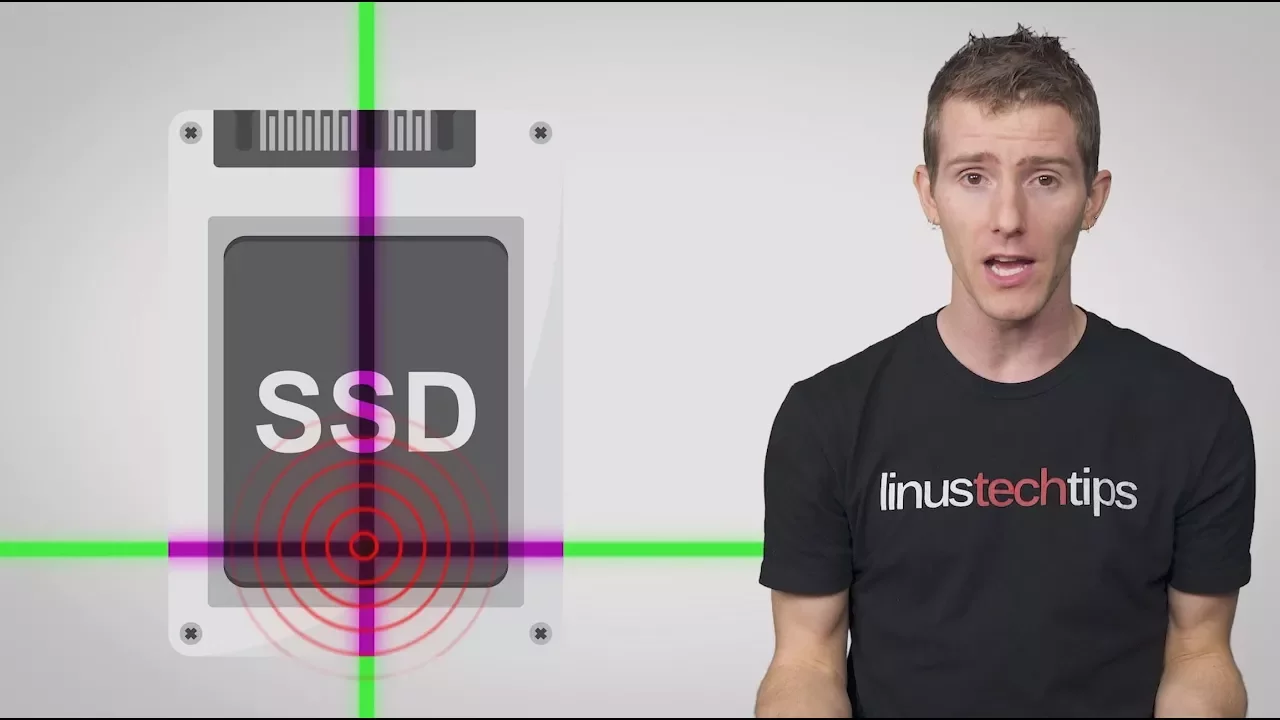
The video explains the concept of DRAM-less SSDs, which are solid state drives that operate without their own dedicated RAM cache. It starts by contrasting DRAM-backed SSDs and DRAM-less models, noting that DRAM is typically used to hold a mapping of logical to physical addresses and to support wear leveling, which helps balance writes across flash cells and extend lifespan. The host explains that without DRAM, an SSD must either store this mapping in the main flash memory or rely on system RAM, which introduces latency as the drive searches for data locations. As a result, DRAM-less SSDs tend to have slower random read and write performance, especially for small, scattered I/O patterns that are common in everyday use. The discussion also covers how DRAM-less designs can wear out faster and often come with shorter warranties, which complicates any potential cost savings. The host emphasizes that while DRAM-less SSDs may appear cheaper upfront, they rarely deliver compelling value when total cost of ownership and performance are considered, and he cautions shoppers to compare against DRAM-backed drives. He concludes with practical guidance: look for inexpensive SSDs that include DRAM and thoroughly review model-specific reviews before buying, rather than opting for the cheapest option. The video then briefly endorses a separate product, highlighting a discount and how such software can help users manage multiple systems, before wrapping up with usual channel prompts to like, comment, and subscribe.
Topics · technology · storage · hardware · computing
Questions answered
- What is the role of DRAM in a typical SSD and why is it important?
- DRAM in an SSD stores a fast logical-to-physical address mapping and supports wear leveling, enabling quick data location and efficient data management, which improves performance and durability.
- What changes when an SSD is DRAM-less?
- Without onboard DRAM, the mapping data may be stored in main flash or in system memory, leading to slower data location, reduced random I/O performance, and potentially higher wear and shorter warranty periods.
- Is a DRAM-less SSD a good value for most users?
- Generally not, because while the upfront price may be lower, the performance and longevity tradeoffs often outweigh the savings; for most users a DRAM-backed SSD offers better overall value.