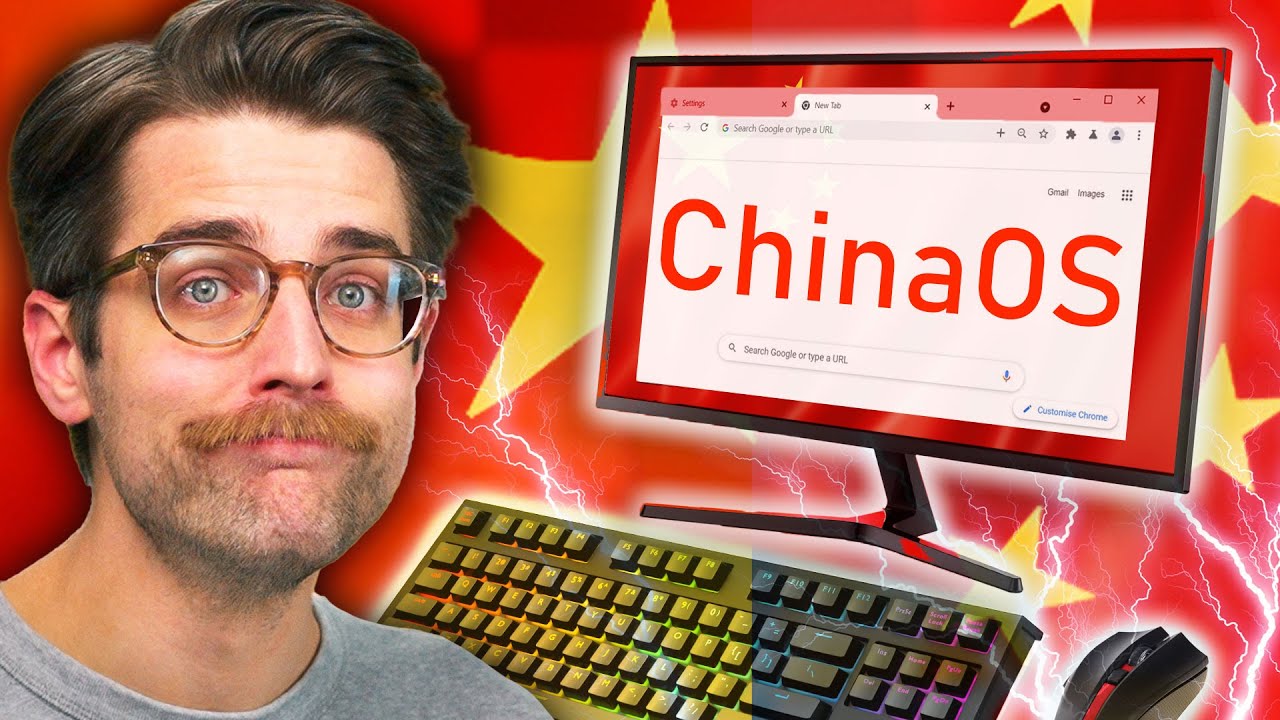
China is dumping Windows
0 up · 0 down · 0 ratings
Promos
Save on a bunch of PC parts and gaming systems with Newegg’s FantasTech sale: lmg.gg ►► LTX 2023 TICKETS AVAILABLE NOW: lmg.gg ► GET MERCH: lttstore.com ► GET EXCLUSIVE CONTENT ON FLOATPLANE: lmg.gg ► LISTEN TO THE TECH NEWS: lmg.gg ► SPONSORS, AFFILIATES, AND PARTNERS: lmg.gg ► OUR PODCAST GEAR: lmg.gg NEWS SOURCES: lmg.gg --------------------------------------------------- Timestamps: 0:00 China releases "homegrown" OS 1:23 Nvidia pressuring partners to skip Intel 3:01 Google's Med-PaLM-2 medical chatbot 4:43 Newegg FantasTech sale 5:25 QUICK BITS 5:31 Windows Update back for 95, 98 etc 6:15 Emulation's back on Xbox Series 6:53 Denuvo makers doing PR for DRM 7:32 NASA Valkyrie robot sent to Australia 8:07 Competitive SSD smuggling FOLLOW US ELSEWHERE --------------------------------------------------- Twitter: twitter.com Instagram: @TechLinkedYT Facebook: @TechLinked TikTok: @techlinkedyt
The video discusses China’s development of a homegrown OS called OpenKylin 1.0, emphasizing that the project is marketed as a break from reliance on American technology. The host notes that OpenKylin 1.0 is built on the Linux kernel, largely sourced from Ubuntu, and involved a community of roughly 4,000 developers. Despite claims of being fully homegrown, the emission of Ubuntu references in the config files suggests OpenKylin is not entirely new or独立 but rather a derivative built to serve state and industry needs such as space programs, finance, and energy. The narrative frames OpenKylin as part of a broader push to reduce dependency on U.S. technology, while also highlighting myths and misperceptions around the depth of its originality. The segment builds on a light, humorous tone to explain the myth versus the reality of a “homegrown” OS, comparing it to a pancake that appears homemade but is still based on familiar ingredients. The host concludes that while OpenKylin represents a notable effort and budgeted development time, its lineage from established Linux distributions underscores a complex spectrum between true originality and inheritance from existing projects. The overall takeaway is that OpenKylin marks a strategic step for China in diversifying its software stack, even as claims of complete independence are tempered by its Linux origins and Ubuntu references. In the broader context of technology news, the piece uses the OpenKylin example to discuss how national tech ambitions intersect with open source ecosystems and global supply chains.
Topics · technology · operating systems · machine learning ai · global tech policy
Questions answered
- What is OpenKylin 1.0 and what is its origin?
- OpenKylin 1.0 is advertised as a homegrown Chinese operating system built on the Linux kernel, with much of its source code traced to the Ubuntu distribution, developed by a community of around 4,000 developers.
- Why is OpenKylin described as not entirely self-made?
- Although presented as homegrown, the OS uses many Ubuntu references and components from the Linux ecosystem, indicating substantial lineage and collaboration with existing open source software.