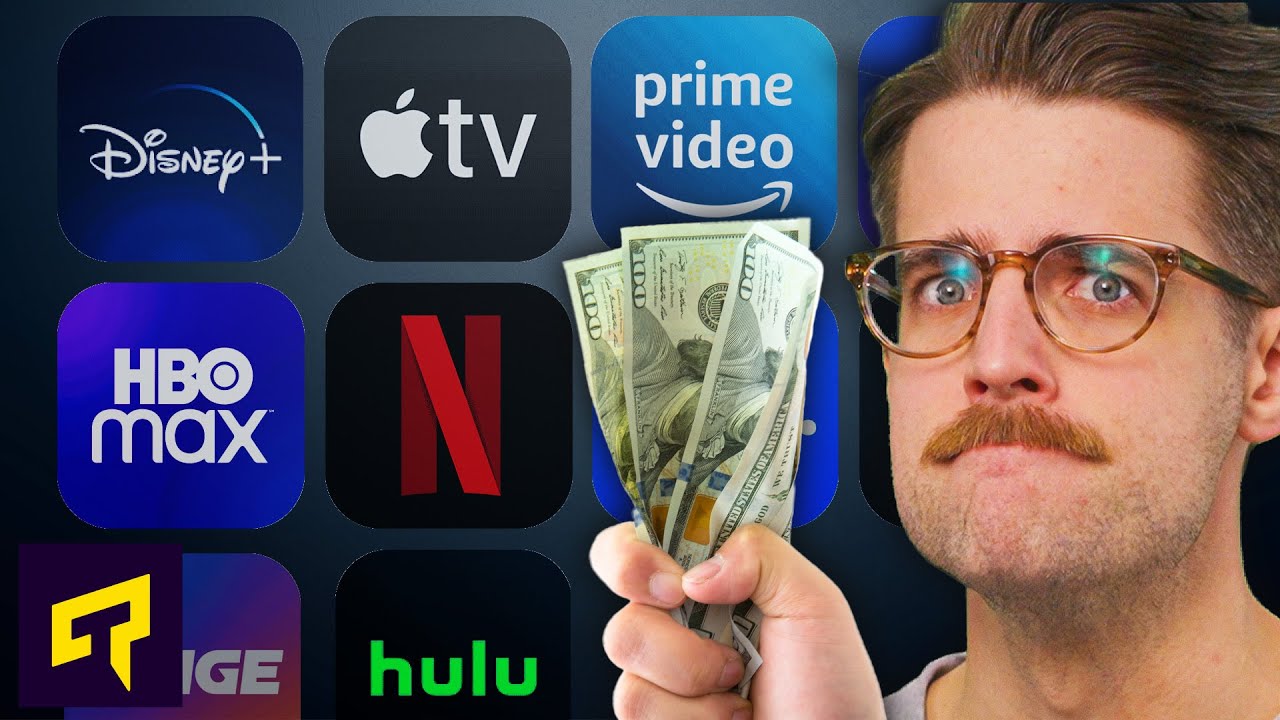
Streaming is Becoming Cable TV
0 up · 0 down · 0 ratings
Promos
Check out Paperlike at: paperlike.com Streaming was originally hailed as a way to save money over expensive cable TV packages, but with rising prices and a fractured content landscape, are streaming services starting to resemble cable? Leave a reply with your requests for future episodes. ► GET MERCH: lttstore.com ► GET EXCLUSIVE CONTENT ON FLOATPLANE: lmg.gg ► SPONSORS, AFFILIATES, AND PARTNERS: lmg.gg FOLLOW US ELSEWHERE --------------------------------------------------- Twitter: twitter.com Facebook: @LinusTech Instagram: @linustech TikTok: @linustech Twitch: twitch.tv
Streaming is Becoming Cable TV examines how the economics and structure of digital video have shifted from a disruptive, low-cost alternative to traditional cable toward a model that mirrors the bundled, oligopolistic nature of cable itself. The video opens by listing current streaming price points across major services, highlighting how even a minimal subscription load can quickly total tens of dollars per month for a typical household. It then traces the historical contrast between the early Netflix disruption and the modern landscape, where content is increasingly scarce, highly licensed, and often locked behind exclusive agreements. The host explains that consolidation among major studios and distributors has reduced consumer bargaining power, driving up prices and reducing the perceived value of individual services. The discussion links these dynamics to the rise of bundles, not just of streaming services but of cross-promotions with other products, and underscores the difficulty of finding a single platform that hosts all favorite titles. The piece also notes that the content arms race, including the creation of in-house studios and expensive original programming, intensifies costs and bakes in higher subscription prices over time. Finally, it highlights how the fight for live sports and other time-sensitive content reinforces the need for multiple services, contributing to ongoing consumer frustration and the sense that streaming is becoming cable in spirit if not in form.
Topics · technology · entertainment · business · media
Questions answered
- Why are streaming prices rising over time?
- Prices rise due to content licensing costs, production overhead, consolidation among major studios, and the push to keep exclusive content on specific platforms.
- What drives the bundling trend in streaming?
- Bundling increases perceived value for customers and simplifies sales for providers while keeping subscribers locked into multiple services through cross-promotions and parent-company ties.
- Is piracy seen as a response to streaming costs?
- Yes, several viewers indicate piracy persists as an option when prices rise or when content is hard to access across services.