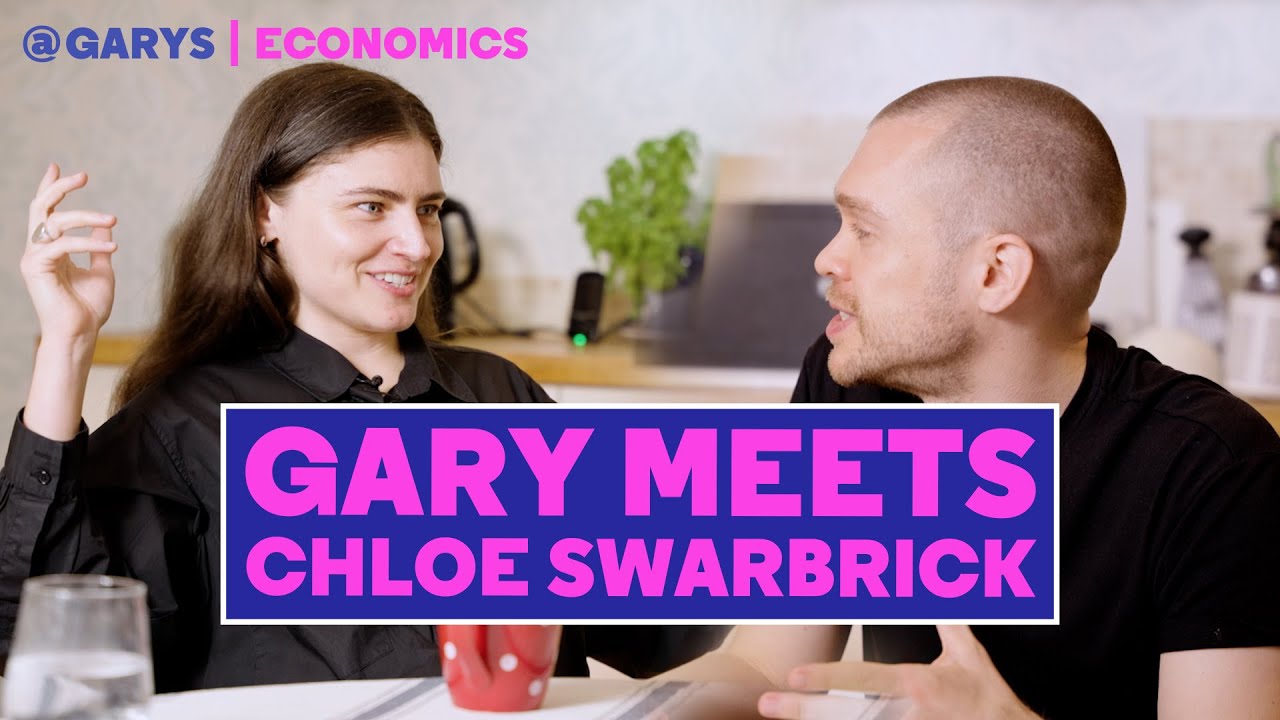
The first politician on Gary's Economics
0 up · 0 down · 0 ratings
Promos
Gary interviews co-leader of the New Zealand Green Party Chlöe Swarbrick MP. Coincidentally for any Kiwis or Aussies watching, I actually have a Oz/NZ tour coming up in Feb/Mar 2026. They will kill me for forgetting to mention it in the video. We currently have only one NZ date on the tour, Auckland on 4th March, but if it sells out quickly maybe I can convince them to add a second date: au.thinkable.events Xx ––––––––––– 00:00 Intro 02:01 Who is Chloe Swarbrick? 05:43 New Zealand’s economy 10:00 Wealth inequality in NZ 14:24 Wealth taxes globally 15:35 How do we win? 20:00 The Murdoch strategy 21:50 Chloe’s advice to Gary 25:56 Anti-immigrant politics 29:20 Coal miners and green politics 31:13 How to win public support 34:49 Are you hopeful? ––––––––––– MAKE A DONATION TO OUR CAMPAIGN – buy.stripe.com SUPPORT US ON PATREON – patreon.com JOIN GARY'S MAILING LIST – subscribepage.io GET THE TRADING GAME – penguin.co.uk ––––––––––– Follow Gary on other channels: LINKEDIN – linkedin.com SPOTIFY – open.spotify.com INSTAGRAM – @garyseconomics TIKTOK – @garyseconomics BLUESKY – bsky.app X – twitter.com FACEBOOK – @garyseconomics DISCORD – discord.gg WEBSITE – garyseconomics.org
The video marks Gary’s Economics’ first ever interview with a politician, Chloe Swarbrick, co-leader of the New Zealand Greens. The host explains his initial reservations about political guests on the channel, noting a preference for authenticity over rehearsed talking points. Swarbrick is introduced not just as a politician but as someone who has actively pushed for wealth taxes and structural changes to address inequality. The discussion then broadens to New Zealand’s economy, highlighting how wealth concentration and a tax system that pays a lower effective rate on top earners underpins rising living costs and housing unaffordability. Swarbrick cites a 2023 Inland Revenue Department report showing the wealthiest 311 households owned a vast share of national wealth, with a tax system that allows top filers to pay far less than the average worker. The conversation moves to the global context of wealth taxation, noting that New Zealand, unlike many OECD peers, lacks wealth, inheritance, or capital gains taxes, which Swarbrick argues fuels inequality. The host and Swarbrick connect NZ’s experience to broader questions about how to persuade centrist and left-leaning parties to adopt wealth taxes, pointing to vested interests, media influence, and the erosion of collective action as major obstacles. Swarkbrick emphasizes that tackling inequality also requires addressing culture and public engagement, arguing that politics is about power and resources, and that regular people must feel empowered to participate in shaping policy. The interview then shifts to practical strategies for building broader support, including engaging with working communities like coal miners, leveraging social media, and creating a compelling, common-sense message that centers living standards and basic needs. Swarbrick closes with a hopeful note, drawing on examples of ordinary people taking small, steady steps to effect change, and urging Gary to continue engaging directly with communities while staying optimistic about the possibility of reform and progress through collective action, education, and sustained public conversation.
Topics · economy · inequality · politics · public_policy · housing · media · culture · global_context
Questions answered
- What role does Chloe Swarbrick hold in New Zealand politics?
- Chlöe Swarbrick is the co-leader of the New Zealand Greens and a Member of Parliament representing Auckland Central, with a background in pushing for wealth taxes and economic reform.
- Why does Swarbrick argue for wealth taxes in New Zealand and globally?
- She argues wealth taxes are needed to reduce extreme wealth concentration, improve equality, fund public goods, and prevent asset inflation like housing bubbles, noting NZ’s lack of wealth taxes compared to OECD peers.
- What strategies does Swarbrick suggest to influence political outcomes beyond traditional parties?
- She emphasizes engaging regular people, building broad-based popular messages, leveraging social media, and organizing communities through conversation, protest, and collaboration to create political pressure and shared goals.